
How to Choose the Right Corporate Conference Organizer?
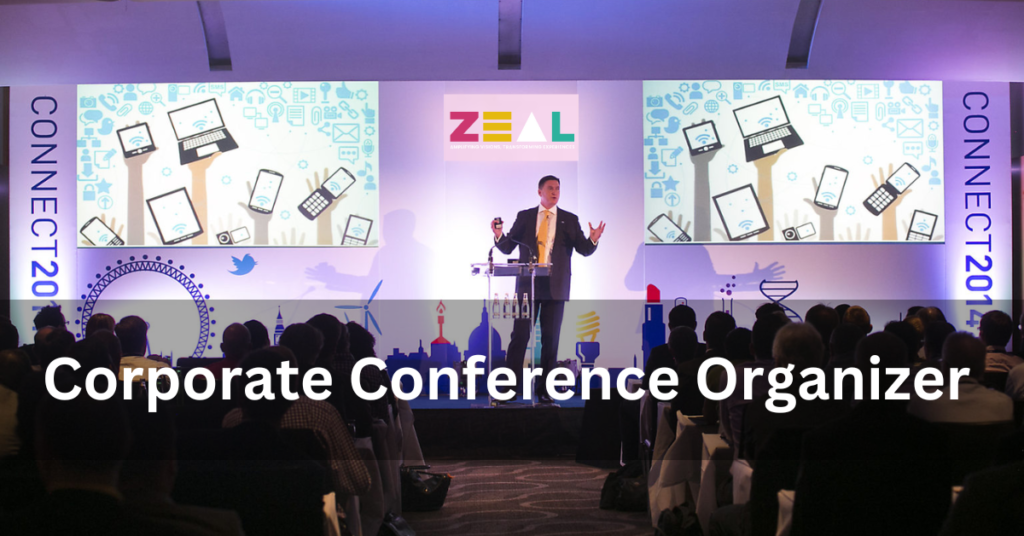
Let’s be honest — nobody remembers the conference that ran like clockwork. Instead, they remember the one where the mic died mid-keynote, the food ran out before half the guests were served, or the speaker arrived to find their slides missing. A great conference feels effortless. However, behind that effortlessness is an enormous amount of strategy, coordination, and preparation. That is exactly what a professional corporate conference organizer does. Whether you are hosting 50 senior leaders or 500 industry professionals, partnering with the right event team is one of the smartest decisions your business can make. A Conference Is Never Just a Meeting Think about what your conference actually needs to do. It might need to build trust with clients, fire up your sales team, launch a product, or position your brand as an industry thought leader. That is a lot to ask of a single day — or even two. Moreover, attendees notice everything. A slow registration queue, a stage that looks thrown together, sessions that drag on too long, and unclear signage—each of these chips away at the experience you worked so hard to create. One small thing going wrong does not ruin an event on its own. However, five small things together? That is a completely different story. This is why experienced businesses do not leave conference planning to an already-stretched internal team. Instead, they bring in people who do this every single day. What Does an Event Company Actually Do? More than most people expect. Yes, they handle the venue and the décor. But a good event company is really a strategic planning partner. In fact, they sit down with you before a single booking is made and ask the questions that matter most: What do you want attendees to walk away feeling? Who is your audience — employees, clients, dealers, or investors? Is the goal to inspire, educate, sell, or celebrate? How do you define success for this event? Once those answers are clear, they build everything around them. Every design choice, session format, speaker brief, and hospitality detail connects back to your business objective. As a result, nothing is added for its own sake. That is what separates a good conference from a forgettable one. Getting the Venue Right (It Is Trickier Than It Looks) A beautiful venue is not automatically the right venue. You need a space that genuinely works — one where the stage is visible from every seat, the sound does not echo, the internet holds up under pressure, there is enough parking, and guests can actually find the registration desk without asking three people for directions. What a Site Visit Really Covers A professional event company does not just browse venue websites. Instead, they visit the space in person—walking the floor, checking the lighting, testing the acoustics, measuring the stage, observing the back-of-house flow, and carefully considering how 300 people will move through the space over an eight-hour day. For conferences in Bangalore, especially, location matters enormously. Traffic here is not just an inconvenience — it can genuinely affect how many people show up on time. Consequently, an experienced event company in Bangalore knows which venues work best for which audiences, whether you are drawing guests from Whitefield, Koramangala, Hebbal, or Indiranagar, or flying them in from out of town. Budgeting: Where Most Conferences Go Wrong Early Here is a pattern that plays out more often than it should. A company sets a generous budget, spends heavily on the venue, and then realizes—two weeks before the event—that barely anything is left for branding, technology, or guest kits. A professional event company prevents this by building a complete, realistic budget from day one. Everything gets a line item: Venue, food and beverages, stage design, sound and lighting, LED screens, branding and print, speaker travel, delegate kits, registration tools, photography and videography, manpower, security, transport, and a contingency buffer for the things nobody predicted. That last part matters more than people think. Conferences almost always need something extra at the last minute. Therefore, having a buffer means you can say yes without panicking. Branding That Actually Feels Like You Your conference should feel like your company — not like a generic corporate event that could belong to anyone. Good event branding goes well beyond putting your logo on a backdrop. Rather, it shapes the entire visual and emotional experience—from the entrance arch guests walk through on arrival to the welcome kit on their seat to the graphics on the LED screens behind the speaker. Why the Stage Deserves Special Attention When branding is done well, guests feel like they are inside your brand’s world. When it is done poorly — too cluttered, inconsistent, or clearly rushed — it quietly damages the credibility you are trying to build. Furthermore, the stage deserves real care. Every photo, every video clip, and every social media post from the day will feature it prominently. Therefore, it should look polished, purposeful, and unmistakably yours. Speakers and Agenda: The Heart of the Conference Even the most beautifully produced conference falls flat if the sessions do not land. A strong agenda is not simply a list of speakers and topics. Instead, it is a carefully designed experience — one that keeps energy up, respects attendees’ attention spans, balances information with interaction, and builds toward a clear conclusion. How to Keep Energy Up Throughout the Day Experienced event companies know that back-to-back speeches for three hours is a recipe for people checking their phones. As a result, they push for variety: a keynote, then a panel, then a break, then a focused workshop, then a networking session. Sessions should breathe rather than suffocate. Speaker coordination matters just as much. The event team sends clear briefs to speakers well in advance, collects and tests presentations before the event, arranges green rooms, and rehearses stage entries. Consequently, speakers walk on feeling confident and prepared—and that energy is genuinely contagious. Technology: The Part That Can Make or Break Everything A mic that