How to Choose the Right Corporate Conference Organizer?
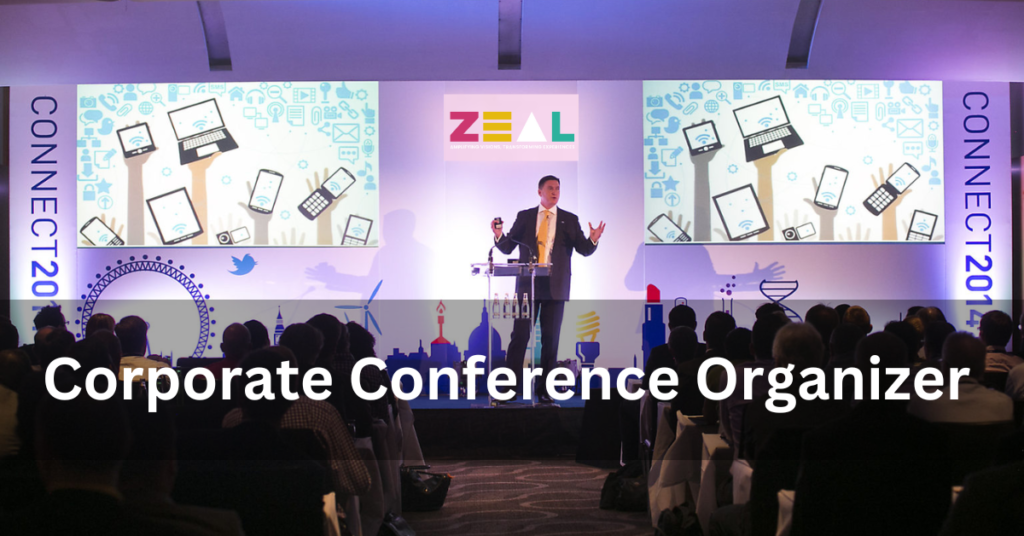
Let’s be honest — nobody remembers the conference that ran like clockwork. Instead, they remember the one where the mic died mid-keynote, the food ran out before half the guests were served, or the speaker arrived to find their slides missing. A great conference feels effortless. However, behind that effortlessness is an enormous amount of strategy, coordination, and preparation. That is exactly what a professional corporate conference organizer does. Whether you are hosting 50 senior leaders or 500 industry professionals, partnering with the right event team is one of the smartest decisions your business can make. A Conference Is Never Just a Meeting Think about what your conference actually needs to do. It might need to build trust with clients, fire up your sales team, launch a product, or position your brand as an industry thought leader. That is a lot to ask of a single day — or even two. Moreover, attendees notice everything. A slow registration queue, a stage that looks thrown together, sessions that drag on too long, and unclear signage—each of these chips away at the experience you worked so hard to create. One small thing going wrong does not ruin an event on its own. However, five small things together? That is a completely different story. This is why experienced businesses do not leave conference planning to an already-stretched internal team. Instead, they bring in people who do this every single day. What Does an Event Company Actually Do? More than most people expect. Yes, they handle the venue and the décor. But a good event company is really a strategic planning partner. In fact, they sit down with you before a single booking is made and ask the questions that matter most: What do you want attendees to walk away feeling? Who is your audience — employees, clients, dealers, or investors? Is the goal to inspire, educate, sell, or celebrate? How do you define success for this event? Once those answers are clear, they build everything around them. Every design choice, session format, speaker brief, and hospitality detail connects back to your business objective. As a result, nothing is added for its own sake. That is what separates a good conference from a forgettable one. Getting the Venue Right (It Is Trickier Than It Looks) A beautiful venue is not automatically the right venue. You need a space that genuinely works — one where the stage is visible from every seat, the sound does not echo, the internet holds up under pressure, there is enough parking, and guests can actually find the registration desk without asking three people for directions. What a Site Visit Really Covers A professional event company does not just browse venue websites. Instead, they visit the space in person—walking the floor, checking the lighting, testing the acoustics, measuring the stage, observing the back-of-house flow, and carefully considering how 300 people will move through the space over an eight-hour day. For conferences in Bangalore, especially, location matters enormously. Traffic here is not just an inconvenience — it can genuinely affect how many people show up on time. Consequently, an experienced event company in Bangalore knows which venues work best for which audiences, whether you are drawing guests from Whitefield, Koramangala, Hebbal, or Indiranagar, or flying them in from out of town. Budgeting: Where Most Conferences Go Wrong Early Here is a pattern that plays out more often than it should. A company sets a generous budget, spends heavily on the venue, and then realizes—two weeks before the event—that barely anything is left for branding, technology, or guest kits. A professional event company prevents this by building a complete, realistic budget from day one. Everything gets a line item: Venue, food and beverages, stage design, sound and lighting, LED screens, branding and print, speaker travel, delegate kits, registration tools, photography and videography, manpower, security, transport, and a contingency buffer for the things nobody predicted. That last part matters more than people think. Conferences almost always need something extra at the last minute. Therefore, having a buffer means you can say yes without panicking. Branding That Actually Feels Like You Your conference should feel like your company — not like a generic corporate event that could belong to anyone. Good event branding goes well beyond putting your logo on a backdrop. Rather, it shapes the entire visual and emotional experience—from the entrance arch guests walk through on arrival to the welcome kit on their seat to the graphics on the LED screens behind the speaker. Why the Stage Deserves Special Attention When branding is done well, guests feel like they are inside your brand’s world. When it is done poorly — too cluttered, inconsistent, or clearly rushed — it quietly damages the credibility you are trying to build. Furthermore, the stage deserves real care. Every photo, every video clip, and every social media post from the day will feature it prominently. Therefore, it should look polished, purposeful, and unmistakably yours. Speakers and Agenda: The Heart of the Conference Even the most beautifully produced conference falls flat if the sessions do not land. A strong agenda is not simply a list of speakers and topics. Instead, it is a carefully designed experience — one that keeps energy up, respects attendees’ attention spans, balances information with interaction, and builds toward a clear conclusion. How to Keep Energy Up Throughout the Day Experienced event companies know that back-to-back speeches for three hours is a recipe for people checking their phones. As a result, they push for variety: a keynote, then a panel, then a break, then a focused workshop, then a networking session. Sessions should breathe rather than suffocate. Speaker coordination matters just as much. The event team sends clear briefs to speakers well in advance, collects and tests presentations before the event, arranges green rooms, and rehearses stage entries. Consequently, speakers walk on feeling confident and prepared—and that energy is genuinely contagious. Technology: The Part That Can Make or Break Everything A mic that
Reimagining Events: 2025’s Most Exciting Trends in Event Planning!
Reimagining Events in 2025 — Top Trends in Modern Event Planning AI-powered systems transform how planners organize events by enabling data-driven decision-making, delivering instant analytics, and automating interactions. Hybrid and virtual are the new regular, increasing access and reach. It’s Personal. Organizers now filter attendees through established agendas, item-specific content, and intelligent matchmaking as they queue up. It’s not optional anymore — organizers are putting sustainability first, from zero-waste setups to accounting for their carbon footprint. And AR/VR immersive experiences, influence-led endorsements, and more inclusive event design are redefining how audiences gather, engage, and recall events. AI & Smart Tech Integration AI powers everything from chatbots and logistics optimization to real-time content distribution and sentiment analysis. Hybrid and live events also use AR/VR, holograms, wearable tech, and expansive LED displays to create immersive experiences. Hybrid & Virtual Formats The blending of in-person and virtual elements is still a significant trend. Hybrid events allow you to reach more people, increase accessibility, and provide the chance for hybrid attendance along with interactive features such as polls and virtual networking lounges. Personalization at Scale AI and data analytics enable event planners and stakeholders to provide hyper-personalized experiences, from customized session recommendations and curated agendas to networking matches and attendee profiles. Data-Driven Decision Making Meetings professionals track and evaluate attendee data through apps, RFID, surveys, and more to perfect the programming, ensure realistic event ROI, and improve future events. Sustainability & Responsible Practices “Green” event planning — from eco-conscious venues and carbon tracking to zero-waste catering and paperless operations—is becoming the default. Inclusivity & Accessibility Moreover, we hear words like fair, accessible, diverse, and culturally relevant when designing and creating events. Highlights of the service include accessible formats, DEI-driven event programming, and improved translation/captioning services. Mobile-First & Engagement Apps The use of mobile event apps is increasingly becoming expected, with event apps now present to provide real-time information, networking tools, push notifications, live polling, and feedback gathering. Audience Engagement & Gamification Events also boost opportunities for interaction through gamification, live polling, Q&A, social walls, and more immersive challenges that drive real-time participation. Unique Venues & Immersive Experiences There are places designed around us. The biggest draws are botanical installations, rooftop lounges, and pop-up installations with strong visual and sensory appeal. People form lasting memories in these experiences and settings. Social Media & Influencer Integration Events are blending social media even more closely—from recruiting influencers as endorsers to incorporating Instagram feeds into websites to making streaming a way to expand reach and interaction. Event Management Companies — Strategy Snapshot Area Quick Win Tech & AI Leverage AI chatbots and agenda personalization tools Formats Develop hybrid formats for Live & virtual engagement Sustainability Implement carbon-tracking and use green vendors Mobile New launch event app boasts polls, networking features Content Incorporate gamification and immersive formats Promotion Collaborate with creators and embed on social media pros. These themes represent an obvious evolution toward data-rich, immersive, and sustainable experiences. Click Here to Learn More About: How to Choose 30 Perfect Seating Styles for Any Event?
These are the top 10 Event Management Company’s to Check out For Your Next Event!
An event management company helps a company or an individual to host events like corporate events, brand launches, celebrity shows, etc. We have listed below the top 10 event management companies in the country that have proved themselves by executing flawless events: Wizcraft: Wizcraft is one of the most prominent event management companies that organize grandiose events, concerts, and award ceremonies. Percept: Percept is an Indian-based entertainment, media, and communications company that caters to almost all types of event requirements, such as corporate events, concerts, and sports happenings. Zeal Integrated Marketing Solutions: Zeal, the corporate event company based in Bangalore, has a strong hold on event management as they have been delivering world-class events for 15 years. Fountainhead MKTG: Fountainhead MKTG is a professional in experience marketing that is a professional event planner that deals with all types of cases from corporate events and product releases to developing one’s brand. Cox & Kings: Cox and Kings is a travel company that provides event management services and is primarily known for destination weddings and MICE and corporate events. 70 EMG/Entertainment Marketing Group: 70 EMG is a creative and out-of-the-box full-service event organization agency with which one can organize corporate events for business development or the most luxurious wedding. T.I.C. Group: T.I.C. Group is one of the top 10 event management companies in India that incorporates corporate exhibitions and summits, trade fairs, and conferences. Showtime Events: Showtime Events is on the list of top-25 event companies in India that specializes in wedding planning and organization, and social events with magnificent company portraits. DNA Networks: DNA Networks is a vital global player and a member of event, live music, and concert management. WOW Events: WOW Events is another expert in experience clusters for business events among the top 10 event management companies in India. The above-mentioned are some of the Top 10 event management companies in the country but there are many more that have so much to offer you which have not been listed here. Thanks to technology, without stepping out, you can gather relevant information on this topic. Make a point to explore before finalizing as each company is different and has a lot more to offer with uniqueness. About The corporate event company An event management company provides professional services focusing on planning, organizing, and coordinating the execution of events of various nature and sizes. For example, such companies execute corporate conferences, launches, and trade shows, exhibitions, weddings, parties, concerts, and festivals, among other events. The services have built-in specificity tailored according to clients’ varying needs. Hence, event management services include: Event Planning and Coordination: The company first holds an initial consultation where it briefs the clients and takes notes on their needs, budget, and style for the event, then makes an actual plan, and eventually coordinates all the other activities. Venue Selection and Management: The companies assist their clients in identifying and reserving appropriate venues for their events performances. Appropriate venues are ascertained by the following factors: venue capacity, location and ease of accessibility, facilities, and amenities available in/at the venue, and the venue rental rate, among other factors. Once the venue is selected, the company may negotiate a rental and manage other logistical concerns that are directly linked to the venue selection process. Logistics and Operations: The company is entrusted with the responsibility of organizing all logistical aspects of an event, from transport to accommodation, catering, audiovisual, and the arrangement of the setup and seating plan for attendees. Vendor Management: The company provides most of its other services including catering, entertainment, decoration, lighting, sound, and photography/videography through vendors. Event Marketing and Promotion Outcome: The company may also engage in advertisement and marketing activities and even design materials, publicity on social media, and layout and brochure design that publicized the events. On-site Event Management: This involves running the show during the event: The team is on their toes to ensure all goes according to the plan. Post-event Evaluation: The company concludes the assigned event by conducting a post-event evaluation and getting feedback on the manner they executed the event, their operations, as well as feedback regarding clients and attendees. Generally, well-run event management companies account for these factors to ensure quality, efficiency, and effective service delivery. What Are The Qualities That You Need To Check Before Finalizing A Corporate Event Company? A successful event management company must have several qualities that will enable them to meet the needs of their clients and conduct outstanding events. These include creativity, organizational skills, communication, and a few more: Creativity: Among the most crucial qualities of an event manager is the capability to create unique event concepts, themes, and encounters that allow the firm to distinguish itself from its rivals and, at the same time, take your attendees’ breath away. Organizational abilities: One would be unable to manage numerous jobs, deadlines, and resources without strong organizational skills. This task necessitates meticulous planning, excellent attention to detail, and the ability to unite all the facets of a project. Communication abilities: Ensure that one comprehends the client’s requirements and guarantees that there is an open line of contact with the client and that everyone engaged in the event understands their role. Problem-solving abilities: Professional event professionals may come across various circumstances that require them to act on the spur of the moment and fix problems. Thinking ahead will make it possible to choreograph all scenarios and prevent any deviation from correct behavior. Flexibility and Adaptability: There are always last-minute alterations to an event; these abilities ensure that all swerves might be efficiently managed. Client Focus: One must constantly consider the client’s requirements and desires; that is the event planner’s top priority; everything starts with the client; team management skills: a planner will have to engage with a wide range of providers, partners, and employees. These include making the right choices at the right time. Budget Management: One must be aware of the cost; all will have to communicate with the vendors and should know about