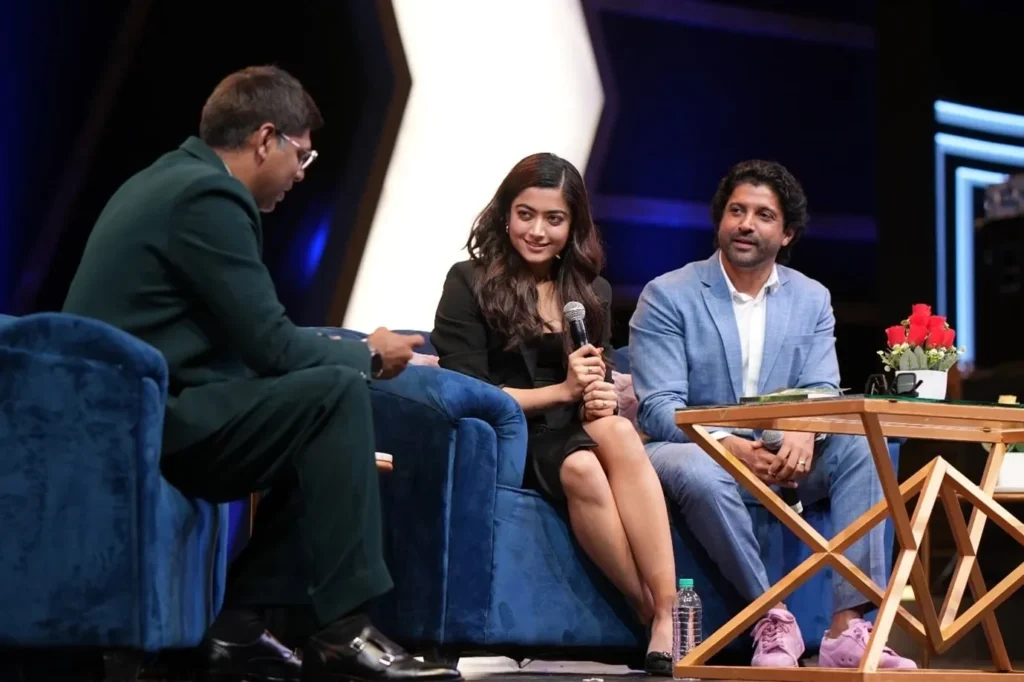
Here’s a number that might surprise you: Corporate events contribute more than $1 trillion to the global economy every single year. That’s not just a statistic about big companies spending a lot of money. Rather, it reflects something more fundamental — that when the right people gather with a clear purpose, real business happens. Relationships form. Deals begin. Ideas that were stuck on slides suddenly start moving.
But scale alone doesn’t create impact. In fact, many large, expensive corporate events yield little beyond a nice venue and a forgettable buffet. What separates events that drive genuine business results from those that don’t comes down to one thing: Intentional planning.
This MICE Planning Guide exists to bridge that gap. Whether you’re organizing a leadership conference, an incentive trip for your top performers, a dealer meet, or a large-scale industry exhibition, this guide gives you a practical framework for turning ideas into measurable outcomes. In other words, better leads, stronger partnerships, more motivated teams, and events your attendees actually remember.
Understanding the MICE Industry Landscape
Before diving into checklists and budgets, it helps to understand what MICE actually means in practice — and why each of its four components demands a different planning approach.
What Each Format Is Really For
MICE stands for Meetings, Incentives, Conferences, and Exhibitions. Each format serves a distinct business purpose, attracts a different kind of attendee, and consequently requires a different set of logistics.
Meetings are typically smaller, decision-focused gatherings. Board meetings, leadership sessions, client reviews, and investor presentations are intimate by design. The goal is alignment and action, not spectacle.
Incentives are experience-driven rewards, often involving travel, that recognize top performers and reinforce the behaviors a company wants to encourage. A well-designed incentive program doesn’t just say “thank you.” Instead, it says “we noticed, and we want you to keep going.”
Conferences scale knowledge sharing and networking across an industry or organization. They work best, however, when they balance structured content with genuine opportunities for connection — because the hallway conversations between sessions are often as valuable as the keynotes themselves.
Exhibitions allow companies to display products, demonstrate services, and build partnerships with a highly targeted, commercially active audience. For many brands, a well-executed exhibition stand generates more qualified leads in two days than months of digital outreach do.
Why Bengaluru Works So Well for MICE Events
Bengaluru has quietly become one of India’s most important corporate event destinations—and for reasons beyond its size alone.
The city offers a mix of world-class venues, strong international and domestic connectivity, and a dense ecosystem of technology, manufacturing, healthcare, real estate, and financial companies. Moreover, its vendor network has grown sophisticated alongside the demand for professional events. Hotel inventory is broad, transit links are reliable, and local expertise is genuinely available.
At one regional conference we supported in Bengaluru, combining local vendor partnerships with streamlined venue logistics cut on-site setup time by 30% and measurably raised attendee satisfaction scores. As a result, that kind of outcome is repeatable — when you plan with local knowledge rather than against it.
Setting Goals That Actually Mean Something
The most common mistake in corporate event planning isn’t a bad venue choice or a blown budget. Rather, it’s starting without a clear definition of what success looks like.
When your event planning connects directly to your company’s strategic goals, every decision becomes easier. Specifically, you know what kind of attendees you need in the room. You know what content serves them. You know what a follow-up should look like. And consequently, you know after the event whether it actually worked.
Knowing Your Audience Before You Plan Anything
Start by mapping your core stakeholders — executive sponsors, department leads, channel partners, and customers — and understanding what each group actually needs from the event. What are their priorities? What problems are they trying to solve? And what format — workshop, roundtable, demo, keynote — is most likely to engage them?
A quick stakeholder checklist to build early: Identify the key decision-makers for each group, document their communication preferences, assign a single point of contact for each group, and get their expectations in writing before planning begins.
Replacing Vague Aims With Measurable Goals
“Successful event” is not a goal. Neither is “good networking” nor “strong brand presence.” These are outcomes that are impossible to measure and therefore impossible to improve.
Replace them instead with SMART objectives tied to clear KPIs. For example:
- Lead Generation: Generate 150 qualified leads at the conference and convert 10% to pipeline within 90 days.
- Brand Awareness: Increase social media reach by 40% during the event and grow the follower base by 1,000 within the following month.
- Employee Training: Deliver three workshops with a post-event assessment average score of 80% or higher.
- Networking: Facilitate 200 meaningful connections tracked via the event app and schedule at least 50 follow-up meetings.
| Objective | Primary Metric | Success Indicator |
|---|---|---|
| Lead Generation | Qualified Leads | Conversion Rate (post-event) |
| Brand Awareness | Social Media Reach | Engagement Volume |
| Employee Training | Knowledge Retention | Post-Event Assessment |
| Networking | Connection Count | Follow-up Meetings |
When goals are this specific, your event strategy writes itself—and your post-event reporting consequently becomes a genuine business document rather than a highlights reel.
Budgeting: Where Strategy Meets Reality
A budget isn’t just a financial document. In fact, it’s a statement of priorities. How you allocate money across an event tells you — and your leadership team — what you actually believe matters most.
Allocating Funds Where They Move the Needle
For most conferences and large-scale corporate events, venue selection is the largest line item — and rightly so. The venue shapes capacity, flow, and the first impression every attendee forms before a single session begins.
Catering and hospitality follow closely. Good food and smooth service create the kind of relaxed environment where networking actually happens. Technology and AV, meanwhile, are no longer optional extras—reliable internet, interactive displays, and high-quality sound directly affect engagement, lead capture, and your brand’s professional appearance throughout the event.
A starting allocation framework to adapt by event type:
| Expense Category | Suggested Allocation | Priority Level |
|---|---|---|
| Venue & Logistics | 40% | High |
| Catering & Hospitality | 30% | Medium |
| Technology & AV | 20% | High |
| Contingency Fund | 10% | Critical |
Planning for the Costs You Didn’t See Coming
Every experienced event planner has a version of the same story: The budget looked fine until last-minute shipping charges, overtime fees, or rush printing appeared in the final invoice.
The best defense against budget surprises is structure. First, maintain a centralized budget tracker that gets updated regularly. In addition, require written quotes from every vendor before committing to them. Negotiate bundled services with venue partners wherever possible, and review expenditures weekly during the lead-up rather than only at the end.
Above all, always maintain a contingency fund of at least 10%. Not because things will necessarily go wrong, but because in large, complex events, something always requires a response you didn’t originally budget for.
“Budgeting is not just about keeping track of expenses; it is about ensuring that every rupee spent aligns with the strategic vision of the organisation.” — Corporate Event Strategy Expert

Choosing the Right Venue in Bengaluru
Venue selection is one of the decisions with the longest reach in event planning. The right venue makes logistics easier, raises the attendee experience, and reflects well on the brand hosting the event. The wrong one, on the other hand, creates friction at every stage.
What to Check Before You Sign Anything
Accessibility matters more than aesthetics. A stunning venue that’s an hour from the nearest major transport hub will frustrate attendees before the event begins. For events in Bengaluru, therefore, prioritize proximity to Kempegowda International Airport, major railway stations, and key arterial roads.
Beyond location, check the infrastructure carefully: High-speed internet with guaranteed bandwidth, professional AV capabilities, flexible seating configurations, backup power, and adequate climate control. These aren’t luxuries—rather, they’re the baseline for a professional event experience.
One practical step that saves significant headaches: Confirm internet bandwidth guarantees in writing and request a full AV walkthrough before signing any contracts. Discovering limitations after the ink is dry is an expensive problem.
| Venue Type | Best For | Key Advantage |
|---|---|---|
| Luxury Hotel | Large Conferences | Full-service hospitality and on-site accommodation |
| Business Centre | Board Meetings | Professional tech support and compact layouts |
| Creative Studio | Workshops | Flexible, inspiring layouts for interactive sessions |
Why Local Knowledge Makes a Real Difference
Venue sourcing in an unfamiliar city takes significantly longer without local relationships. Our team has vetted venues across Bengaluru and, as a result, negotiates packages that align with event goals and realistic budgets.
After helping a corporate client move a summit to a better-connected hotel in Bengaluru, registration wait times dropped noticeably, and attendee logistics feedback improved substantially. That outcome is a reminder that venue decisions affect experience long before the first session starts.
You can visit our office at 53, Railway Parallel Road, 4th Block, Kumara Park West, Seshadripuram, Bengaluru, on the 1st Floor, or call 072042 88458 to schedule a site visit (open until 6 pm IST). We can prepare a shortlist of venues, advise on airport transport, and help you plan parking and local travel logistics.
Getting the Logistics Right
Smooth logistics are invisible — and that’s exactly the point. When registration flows, transfers run on time, and the venue is ready when needed, attendees focus entirely on the event. When logistics break down, however, that’s all anyone talks about.
Coordinating Group Travel and Accommodation
Large-group travel requires lead time and centralized coordination. As a general guide, for groups of under 50, book flights and hotels 6–8 weeks in advance. For 50–200 attendees, aim for 10–14 weeks. For groups of 200 or more, start planning 4–6 months in advance. Early booking secures room blocks, better rates, and the flexibility to accommodate changes.
Work through a single travel coordinator or partner to consolidate itineraries and negotiations. A clear, documented contact list — with dietary needs, mobility requirements, and visa situations flagged in advance — prevents last-minute scrambles that put pressure on your team and your vendors.
Practical steps that make group logistics manageable:
- Centralize all bookings through one platform or travel partner for visibility and easier changes
- Choose hotels within a short, predictable transfer time from the venue
- Arrange a 24/7 emergency contact for travel disruptions during the event window
- Confirm rooming lists, check-in windows, and room-block release dates at least one week before arrival
Managing On-Site Transfers Without the Drama
First impressions are shaped during the journey from the airport, not at the welcome desk. Therefore, pre-assign vehicles, stagger arrival windows, and confirm driver contact details well in advance. Model peak traffic times in Bengaluru and build buffer windows into every transfer schedule.
At a recent event, a delayed flight required the activation of standby vehicles at short notice. Because the vendor had pre-agreed SLAs in place, however, delegates still arrived within acceptable windows, and session start times were preserved. That outcome was the direct result of planning that happened weeks before the event—not improvisation on the day.
Keeping Attendees Informed in Real Time
Integrating travel itineraries with your event app or a shared dashboard gives both attendees and your team real-time visibility. As a result, anxious phone calls are reduced, and everyone stays focused on what matters. When attendees know exactly where to be and when, the overall experience feels polished — even when small adjustments are happening behind the scenes.
Building a Conference Agenda That People Actually Engage With
The most common agenda mistake is treating a conference like a series of presentations. Back-to-back lectures, however impressive the speakers, drain attendees and limit the networking value that makes conferences worth attending in the first place.
Balancing Content With Connection
Schedule breaks after intensive sessions — not just for comfort, but because the conversations that happen in those breaks are often where the real value of a conference is created. Connections form, ideas get challenged, and follow-up meetings get booked.
Keep individual presentations focused and shorter — 20 to 30 minutes is usually more effective than an hour-long slot. Follow content with interactive elements such as Q&A, roundtables, or small-group discussions. These formats boost retention and make attendees feel like participants rather than passengers.
“The true value of a conference is not just in the content presented on stage, but in the connections made in the hallways between sessions.” — Industry Event Strategist
Mixing Formats to Maintain Energy
Keynotes set vision and tone. Workshops, on the other hand, let attendees practice and apply new thinking. Panels bring diverse perspectives and generate genuine discussion. A well-designed agenda uses all of these—and doesn’t rely on any one format for too long.
A sample half-day agenda that works well in practice:
- 09:00–09:30 — Registration & Welcome Coffee
- 09:30–10:15 — Keynote: Industry Trends & Vision
- 10:15–10:30 — Networking Break
- 10:30–11:30 — Breakout Workshops (3 parallel streams)
- 11:30–12:00 — Panel Discussion + Live Q&A
- 12:00–13:00 — Networking Lunch / Expo Walk
One element that’s easy to overlook: Accessibility. Closed captions for keynotes, accessible seating, workshop materials shared in advance, and inclusive facilitation ensure that every attendee can participate fully — not just those who are naturally comfortable with large conference formats.
| Session Type | Primary Goal | Engagement Level |
|---|---|---|
| Keynote Address | Inspiration & Vision | High (Passive) |
| Interactive Workshop | Skill Application | Very High (Active) |
| Networking Break | Relationship Building | Moderate (Social) |
| Panel Discussion | Diverse Perspectives | Moderate (Interactive) |
Incentive Travel That Actually Motivates
Cash bonuses are forgotten quickly. Experiences, however, are remembered for years. That’s the insight behind incentive travel—and it’s why well-designed incentive programs consistently outperform other reward formats in motivation, loyalty, and measurable business impact.
Matching Destinations to What Your Company Values
India offers a wide range of incentive travel options, each suited to different company cultures and reward goals. For instance:
- Private houseboat retreats in Alleppey’s backwaters — Ideal for small executive groups; best planned between October and March; confirm local boat licensing and safety briefings in advance
- Luxury glamping in the Thar Desert — Well-suited to adventure-focused rewards and team bonding; account for temperature extremes and plan within the October–March seasonal window
- Guided heritage walks in Old Delhi or Hampi—Immersive cultural experiences suited to mixed-ability groups; schedule morning walks to avoid heat and crowds
- Wellness retreats in the Himalayas—Excellent for recovery, reflection, and leadership reset; factor in altitude adjustment and seasonal access (spring and autumn are generally safest).
Designing Rewards That Reinforce What You Want to Build
The most effective incentive trips are designed with intention. If your company values innovation, adventure, or challenge-based experiences, reinforce that naturally. If well-being is a core priority, wellness-oriented programs align with the culture you’re building. Furthermore, this alignment transforms incentive travel from a perk into a genuine strategic investment.
| Reward Focus | Target Outcome | Cultural Alignment |
|---|---|---|
| Adventure Trips | Team Synergy | Innovation & Risk-taking |
| Wellness Retreats | Employee Well-Being | Balance & Sustainability |
| Cultural Immersion | Broadened Perspective | Diversity & Inclusion |
Before booking, run through a practical checklist: Confirm seasonal windows and visa requirements; verify supplier safety standards and insurance; build realistic itineraries with travel buffers; and define how you’ll measure impact—post-trip satisfaction scores, retention data, or sales performance in the following quarter.
In one incentive program we supported, a six-day trip produced a measurable 12% uplift in sales activity from participating employees in the quarter that followed. That outcome wasn’t accidental. Instead, it was the result of a program designed from the start to connect rewards directly to results.

Using Technology to Run Smarter Events
Technology doesn’t make events feel modern. Rather, it makes them feel effortless—for attendees and for your team alike. The right digital tools reduce friction, improve the experience, and give you the data to demonstrate what the event actually delivered.
Choosing the Right Platforms
A central event management platform handles registrations, speaker management, badge printing, and CRM integration, eliminating the need for your team to manage five separate tools. Mobile event apps also give attendees everything they need in one place—personalized schedules, venue maps, speaker profiles, and networking connections—reducing confusion and keeping people engaged throughout.
Key tool categories worth considering: Registration and ticketing software, mobile event apps, on-site check-in kiosks, and analytics dashboards. The goal is a tech stack your team can operate confidently—not simply the most feature-rich option available.
Making Hybrid Work for Remote Attendees
Hybrid and virtual components have matured considerably in recent years. When done well, they meaningfully extend your event’s reach—allowing people who can’t travel to participate in a genuine way rather than just watch passively.
Effective hybrid events prioritize reliability and accessibility above all else: Closed captions, low-bandwidth streaming for participants with slower connections, and a single unified registration flow for both in-person and virtual attendees. When remote participants feel like an afterthought, they disengage quickly. When they’re genuinely considered in the design, however, they become a meaningful part of the event’s reach and value.
| Technology Category | Primary Benefit | Key Feature |
|---|---|---|
| Registration Software | Data Accuracy | Automated Ticketing & CRM Sync |
| Mobile Event Apps | Attendee Engagement | Live Notifications & Personalized Schedules |
| Virtual Streaming | Global Reach | Interactive Q&A & Breakout Rooms |
| Analytics Dashboards | Performance Tracking | Real-time Reporting & ROI Metrics |
Managing Meetings and Vendor Relationships
Even the best-planned event can unravel when communication breaks down between stakeholders or when vendor expectations aren’t clearly defined. Strong corporate meeting management is therefore about removing those failure points before they occur.
Keeping Stakeholders Aligned Throughout
Centralize communications on a single platform—A shared project management tool or dashboard—so everyone has visibility into the same information. In addition, establish a clear communication rhythm: weekly planning calls during the build-up and daily check-ins in the 72 hours before the event.
A simple RACI framework applied to each key deliverable eliminates the ambiguity that causes duplicated effort and missed deadlines. Specifically, when everyone knows exactly what they own, decisions happen faster, and problems surface earlier—rather than on the day of the event.
Getting the Most From Your Vendor Relationships
Your vendors are partners in delivery, not just suppliers. Treat those relationships accordingly. Define SLAs in contracts—such as space readiness times, AV uptime standards, and catering timelines—and include clear steps for addressing missed commitments. Negotiate bundled services where possible to reduce friction and costs.
Keep a vendor performance tracker with metrics like on-time delivery, issue response time, and quality ratings. That data is valuable not just for managing the current event, but also for making better sourcing decisions on the next one.
| Vendor Category | Key Metric | Accountability Standard |
|---|---|---|
| Venue Partners | Space Readiness | On-time setup per the agreed schedule |
| Catering Services | Service Timeliness | Adherence to meal schedule & dietary orders |
| AV Technicians | Equipment Reliability | Planned rehearsal & maximum allowable downtime |
| Logistics Providers | Transfer Efficiency | Confirmed ETAs & real-time tracking |
Running Large-Scale Conventions Without Losing Control
When thousands of attendees converge on a single venue, the margin for error shrinks considerably. Crowd flow, registration speed, and AV reliability consequently become the variables that define whether your event feels professional or chaotic.
Making Registration Smooth for Everyone
Speed and clarity are everything in those first thirty minutes. Pre-registration digital kiosks, QR code scanning, and mobile check-in eliminate queues that create friction before the event has even properly begun. Clearly marked routes, well-positioned staff, and staggered arrival windows keep attendees moving calmly and confidently.
Practical staffing ratios worth planning around: one check-in station per 250–400 attendees and one floor steward per 150–200 attendees to guide flow and handle questions.
Scaling Registration for Very Large Events
For a 5,000+ attendee event, consider opening four check-in zones with parallel kiosk lanes and staggering shuttle arrivals over a 90–120 minute window. The difference in attendee experience between a well-managed arrival and a chaotic one sets the tone for everything that follows. Furthermore, a smooth start builds immediate confidence in the event—and in the brand running it.
Keeping AV Rock-Solid for Plenary Sessions
Nothing undermines confidence in an event — or in the brand hosting it — faster than a microphone cutting out during a keynote or a streaming feed dropping at a critical moment.
Schedule full technical rehearsals well before the event. Additionally, verify every signal path and run redundancy checks on microphones, projectors, and streaming feeds. Assign AV technicians to clearly defined roles—lead engineer, streaming operator, stage tech—so that when something needs to be resolved, it happens in seconds rather than minutes.
Build redundant systems as standard practice: Backup microphones, spare encoders, and alternate internet links. For large rooms, test acoustics and sightlines during the rehearsal and run a dry run with speaker timing to avoid overruns on the day.
| Strategy | Primary Benefit | Priority Level |
|---|---|---|
| Digital Kiosks | Reduced Wait Times | High |
| Staggered Entry | Crowd Dispersion | Medium |
| Redundant AV | Technical Reliability | Critical |
| Staff Wayfinding | Improved Navigation | Essential |
Risk Management: Planning for What You Hope Won’t Happen
The mark of a well-planned event isn’t that nothing went wrong. Rather, it’s that when something did, the response was calm, fast, and invisible to most attendees.
Building Redundancy Into Critical Systems
Disruptions come in many forms—AV failures, internet outages, severe weather, and transport delays. The common thread, however, is that none of them is completely preventable. What is preventable is being caught without a plan.
Build redundancy into every critical system: backup internet links, secondary power sources, and spare microphones and encoders. Furthermore, create a concise incident response plan that assigns clear roles, escalation paths, and pre-written communication templates. Test it with a tabletop exercise before the event so your team knows exactly who does what and how long each response should take.
Health, Safety, and Compliance
Health and safety aren’t administrative formalities — they’re the foundation of attendee trust. Confirm venue compliance with local fire, occupancy, and medical regulations. Post clear emergency signage throughout the venue. Ensure staff are trained in basic emergency procedures and that first-aid support is appropriately stationed for your expected attendance level.
In one event our team supported, a venue power fault was resolved within 12 minutes because the team followed an established incident plan. Session disruption was minimal, and attendee trust remained intact because the response looked controlled, even when it required real effort behind the scenes.
Run a final risk review 48–72 hours before your event. In addition, consider a live run-through with your key vendor partners to validate readiness before the real thing begins.
Plan Your Corporate Event
Conclusion
Delivering a successful corporate event in Bengaluru — or anywhere — requires two things working together: Clear strategic thinking and disciplined, detailed execution.
This guide has walked through the core elements: setting goals that mean something, building a budget that reflects your priorities, choosing the right venue, managing logistics with precision, designing agendas that engage rather than exhaust, running incentive programs that genuinely motivate, using technology to reduce friction and generate insight, and planning for the unexpected with enough structure to respond calmly.
Companies that invest in strong event planning stand out in ways that go beyond the event itself. They demonstrate to clients, partners, and employees alike that they are organized, thoughtful, and serious about the experiences they create. Moreover, that reputation compounds over time in ways that are difficult to build through other means.
Your next corporate event is an opportunity. Use the frameworks and checklists in this guide to plan it with the clarity it deserves—and if you’d like hands-on support from a team that knows Bengaluru’s corporate event landscape well, we’re ready to help you build something worth attending.
FAQ’s
1. What exactly does MICE stand for in professional event planning?
MICE stands for Meetings, Incentives, Conferences, and Exhibitions—four event types within business tourism, each focused on a different corporate goal: Decision-making, performance reward, knowledge sharing, and trade or product showcasing. Each format has distinct planning requirements, logistics, and ROI metrics.
2. Why is Bengaluru considered a strong destination for corporate events?
Bengaluru combines strong venue capacity, international and domestic connectivity, and a thriving multi-industry corporate ecosystem. Local supplier networks are experienced, hotel inventory is broad, and the city’s familiarity with large-scale business events means planning timelines are generally shorter and logistics are more predictable than in less-established markets.
3. What should a comprehensive event organization checklist include?
At a minimum: Objectives and KPIs, venue and logistics details, budget and contingency planning, AV and technology requirements, travel and accommodation arrangements, vendor SLAs, risk management protocols, accessibility provisions, and a post-event measurement framework. The right checklist scales with your event size.
4. How should a company manage group travel logistics for large delegations?
Centralize all bookings through one travel partner, secure room blocks early, plan staggered transfers with built-in buffer time, and provide a 24/7 contact for travel disruptions. Lead time is critical — the larger the group, the earlier you need to start.
5. What conference planning approaches best improve attendee engagement?
Mix shorter, focused educational sessions with interactive workshops and dedicated networking blocks. Use event apps to surface personalized agendas and facilitate connections. Provide hybrid access for remote participants. The goal is to give every attendee — in person or virtual — a genuine reason to stay engaged throughout.
6. How does professional corporate meeting management affect event ROI?
It ensures that every activity connects to a business objective, that budget is allocated with discipline, and that KPIs are tracked in a way that produces genuine post-event insights. Professional meeting management, therefore, turns an event into a business investment with a clear and demonstrable return.
7. What convention coordination strategies work best for high-volume registration?
Digital pre-registration, QR check-ins, multiple kiosk lanes, clear wayfinding, and staggered arrival windows significantly reduce queuing and crowd pressure. Combine these with trained floor staff and redundant AV for large sessions. For very large events, a crowd-flow simulation during the planning phase is worth the time.
8. What makes a business event planning guide genuinely useful?
The most useful guides combine strategic clarity—objectives, audience mapping, KPIs—with practical operational detail: budgeting frameworks, vendor management, logistics checklists, risk planning, and post-event measurement. Templates that can be adapted to different event sizes make that guidance immediately actionable.
9. Where can I speak with local experts about venue selection and event strategy in Bengaluru?
You can visit our office on the 1st Floor, 53, Railway Parallel Road, 4th Block, Kumara Park West, Seshadripuram, Bengaluru, or call 072042 88458 during office hours (open until 6 pm IST). We offer venue shortlists, site visits, and tailored event strategies aligned to your budget and objectives.
10. How does incentive travel motivate high-performing teams in practice?
Incentive travel links desired behaviors to memorable, personal experiences — creating motivation that lasts well beyond the trip itself. When programs are aligned with company culture and individual values, they improve morale, strengthen loyalty, and often produce measurable business outcomes in the quarters that follow.