
Why do some corporate events feel like a chore while others spark innovation and partnerships? Often, the difference is the setting. Choosing the right venue is a strategic decision that shapes your event’s energy, attendee engagement, and business outcome.
This Venue Selection Guide for mice events is your practical roadmap to planning successful meetings and events. It helps you align physical space with your goals so meetings become memorable experiences that motivate your audience and deliver measurable business results.
Understanding the Scope of Your MICE Event
Every successful event planning effort starts with a clear purpose. Before you shortlist venues, define what success looks like for this meeting: the business outcomes, who must attend, and the experience you want to create.
This vision informs every choice—from room layout to registration flow and catering—ensuring each element supports your business goals and delivers value to attendees.
Defining Meeting Objectives and Attendee Profiles
Match venue selection to your objectives. Is this a training workshop, a product launch, or a partner networking session? Choosing a venue that aligns with your mission increases engagement and boosts ROI.
- Objective types: training, product launch, board meeting, networking, exhibition.
- Attendee personas: senior executives (expect quiet, premium rooms), sales teams (need collaboration spaces), and partners or clients (expect hospitality and networking areas).
Design the space for your audience. Creating a setting that speaks to your attendees encourages connection, participation, and teamwork.
Determining the Scale and Technical Requirements
After goals and audience, map the scale: expected headcount, session formats, and simultaneous tracks. This determines how many rooms, breakout spaces, and registration desks you’ll need.
- Space checklist: main plenary capacity, number of breakout rooms, registration area, networking lounges, exhibitor footprint.
- Tech checklist: guaranteed internet bandwidth, redundancy/power backup, on-site AV support, streaming capability, microphones, and display requirements.
Practical India-focused examples: a SaaS product launch in Bengaluru may need high-speed symmetrical internet and live streaming for remote customers; a pan-India sales conference requires multiple breakout rooms and robust on-site registration to handle large attendee flows.
Tip: link this planning phase to your Venue shortlisting checklist so each shortlisted venue is scored on layout, capacity, tech, and registration readiness.
Strategic Venue Selection Guide for MICE events
Begin your event planning with a clear, actionable venue selection guide for mice events. Prioritize locations that balance prestige with practicality so the venue reinforces your brand while enabling flawless delivery.
When you select the right location, a simple meeting becomes a memorable professional experience that drives engagement and measurable business outcomes.
“The success of a corporate gathering is inextricably linked to the environment in which it unfolds; choose a space that inspires as much as it accommodates.”
Geographic Accessibility and Connectivity in India
For India-based events, geographic accessibility is critical. Choose venues close to major airports—Mumbai (Chhatrapati Shivaji Maharaj International), Delhi (Indira Gandhi International), or Bengaluru (Kempegowda International)—to reduce travel time and increase attendance for national and international delegates. Consider last-mile options like dedicated shuttles, proximity to railway stations, and taxi availability.
- Nearest airport and typical transfer time
- Rail and highway connectivity
- Local hotel inventory within a 10–20 minute radius
- Visa support and arrival logistics for international attendees
Prioritize seamless connectivity to maintain high energy and reduce no-shows.
Evaluating Infrastructure and Capacity Needs
Once you’ve locked the location, verify the venue’s infrastructure. A robust venue selection guide highlights essential technology and capacity checks: guaranteed internet speeds, redundant power, scalable room layouts, and dependable on-site technical support.
- Capacity: main plenary seating, breakout rooms, registration area, exhibitor space
- Technology: minimum guaranteed bandwidth, streaming/recording capability, AV package details
- Operational: loading docks, storage, and backstage access
Scalable spaces and clear capacity charts ensure you can adapt to last-minute changes while maintaining a professional conference experience.
Key Criteria for Evaluating Conference Venue Selection
Choosing the right venue for your business event sets the tone for the entire experience. A structured approach to conference venue selection helps you avoid last-minute problems and ensures every element supports your objectives and audience.
Assessing Audio-Visual and Technological Capabilities
Modern conferences require more than a projector. Assess the venue’s technology package and on-site support before signing: reliable internet, streaming-ready infrastructure, high-quality displays, and redundant power are non-negotiable.
- Bandwidth: guaranteed speeds and separate networks for presenters and attendees.
- AV equipment: projectors/displays, wireless mics, confidence monitors, and recording/streaming capability.
- On-site support: dedicated AV technicians, run-through/demo sessions, and contingency plans for tech failures.
Verifying these technology capabilities ahead of time ensures clear communication for both in-person and remote attendees and reduces the risk of session interruptions.
Analyzing Catering and Hospitality Standards
Catering and hospitality directly affect attendee satisfaction and brand perception. Ask venues for sample menus, service-level details, and how they handle special diets to ensure the food matches your audience and event tone.
- Menu options: Standard, vegetarian, vegan, Jain, and regional Indian cuisine choices.
- Service model: Plated meals, buffets, or live stations, and options for coffee breaks and networking refreshments.
- Facilities: Dedicated back-of-house for catering, temperature control, and timing coordination for sessions and breaks.
Request sample menus and an AV spec sheet during venue evaluation so you can compare conference-ready facilities and hospitality standards across shortlisted venues.
Navigating Meeting Venue Options Across India
Finding the right event space in India takes focused research. Corporate planners must evaluate a range of meeting venues to select one that supports business goals, brand tone, and attendee needs.
The ideal space should feel professional while reinforcing your brand — from room design to service style — so the overall experience matches your objectives.
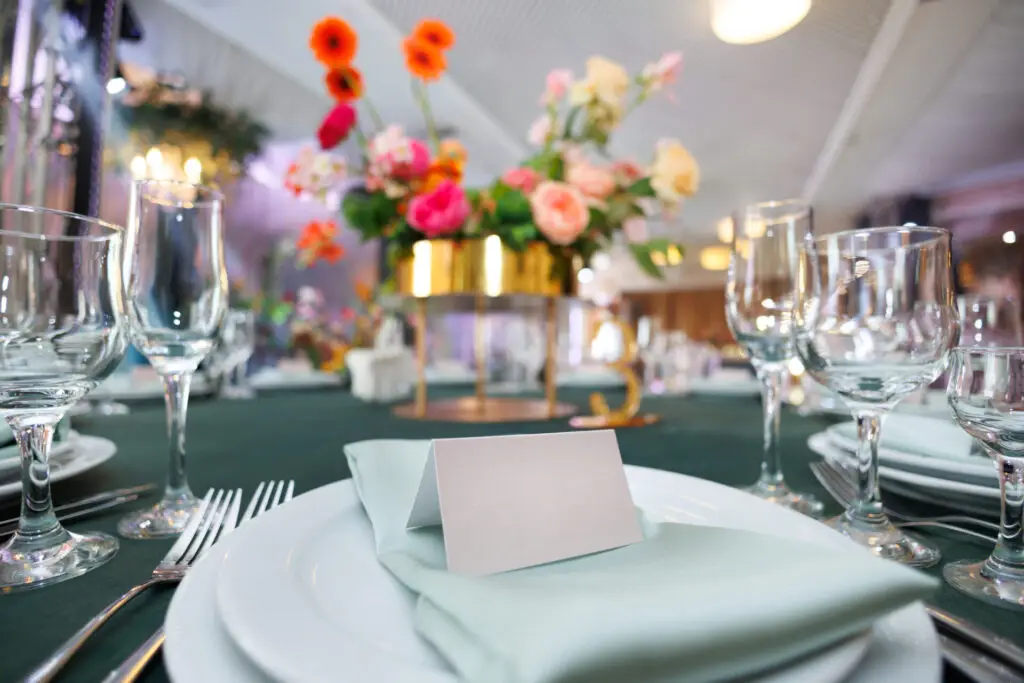
Comparing Luxury Hotels versus Dedicated Convention Centers
Luxury hotels in cities such as Mumbai, Delhi, and Bengaluru are attractive for many events because they bundle accommodation, catering, and meeting rooms, simplifying logistics for international and domestic delegates.
Dedicated convention centers, however, offer larger capacities and more modular spaces — ideal for exhibitions, large conferences, and multi-track events where scale and technical flexibility matter most.
| Feature Luxury Hotels Convention Centers | ||
| Primary Focus | Hospitality & Comfort | Capacity & Technicality |
| Logistics | Integrated (Stay & Meet) | Modular (Event-focused) |
| Best For | Board meetings, galas, VIP gatherings | Large conferences, exhibitions, and trade shows |
Considering Unique and Non-Traditional Event Spaces
Brands seeking standout experiences are increasingly choosing heritage sites, art galleries, rooftop terraces, or converted industrial spaces. These unique venues create memorable experiences and strong social media moments, but they require careful logistics planning and may entail higher setup costs.
“The most impactful events are those that break the mold, turning a simple gathering into a transformative experience for every attendee.”
When to choose each option:
- Hotels: choose for VIPs, international guests, and events that need integrated hospitality.
- Convention centers: choose when capacity, exhibitor space, and technical infrastructure are priorities.
- Unique spaces: choose for brand activations, creative launches, or when you want a distinctive attendee experience.
Tip: Download the India venue selection cheat sheet to compare cost per attendee, bundled services, and logistics complexity across your shortlisted venues.
Essential Event Space Selection Factors
Picking an event space is more than choosing a pretty room. It’s about balancing cost, safety, accessibility, and operational readiness. Addressing these areas early prevents last-minute issues and keeps your conference running to plan.
Budgeting for Venue Rental and Ancillary Costs
Start with a clear budget template that captures all line items—venue rental is only the beginning. Ancillary costs such as internet, lighting, power surcharges, security, and cleaning fees add up quickly and must be forecast per attendee.
- Core items: venue rent, catering, AV/technology, accommodation
- Ancillary items: bandwidth upgrades, power backup, overtime, loading dock fees, storage, local taxes
- Cost control tip: request an itemized quotation and ask venues to confirm which charges are included versus à la carte
Use a simple per-attendee mini-calculator (total estimated cost ÷ expected attendees) to compare per-head costs across shortlisted venues and spot hidden surcharges before signing.
Reviewing Safety, Security, and Accessibility Compliance
Delegate safety and accessibility are non-negotiable. Before confirming a venue, verify compliance with local fire and occupancy regulations and confirm emergency evacuation plans and on-site security arrangements.
- Safety checks: fire certificates, emergency exits, medical response plans
- Security: CCTV, credentialed security staff, secure storage for equipment and exhibitor goods
- Accessibility: ramps, elevator capacity, accessible restrooms, clear signage, and wheelchair routes
Include an accessibility clause in the contract and capture copies of permits and safety certificates as part of your venue due diligence. For transparency, ask venues to provide a written list of any expected extra charges so you avoid surprises during execution.
Corporate Event Venue Guide for Seamless Logistics
Large-scale event execution depends on logistics. A focused corporate event venue guide addresses attendee movement, timing, and service coordination so the program runs on schedule and your audience enjoys a friction-free experience.
Managing Accommodation and Transportation for Delegates
Start logistics planning by grouping accommodation and minimizing transfer times. Choose venues with good hotel inventory nearby and reliable access to major transit hubs—this reduces fatigue and improves punctuality for sessions and meetings.
- Hotel blocks: negotiate room blocks and corporate rates within a 10–20 minute radius of the venue.
- Transfers: plan shuttle schedules from airports and rail stations; estimate typical transfer times for Mumbai, Delhi, and Bengaluru when comparing options.
- Registration flow: position registration and luggage storage near entrances to eliminate bottlenecks during peak arrival times.
A robust corporate event venue guide will insist on advance transport bookings and clear arrival instructions so delegates arrive relaxed and ready.
“Logistics are the invisible threads that hold the fabric of a successful event together; when they are seamless, the audience only notices the brilliance of the content.”
Coordinating On-Site Support and Vendor Access
On-site readiness is critical during setup and strike. Confirm that your chosen venue has dedicated loading docks, wide access routes, and secure storage for equipment and exhibitor materials to avoid delays.
- Vendor access: schedule load-in/load-out windows and provide vendors with power locations and floor plans.
- On-site support: secure a venue operations contact and an AV support team available for rehearsals and live troubleshooting.
- Logistics timeline: adopt a 72–48–24–0 hour checklist (deliveries, tech checks, final rehearsals, and registration setup).
Document these arrangements in a logistics plan and share it with vendors and the venue operations team. Offer them a single point of contact for faster decision-making and smoother execution.
Best Venues for Business Events and Networking
Layout drives collaboration and energizes the audience. When shortlisting the best venues for business events, evaluate how room design, sightlines, and circulation support the session formats you plan—for example, speaker-led plenaries, interactive workshops, or networking socials.
Creating Environments Conducive to Collaboration
Collaboration-friendly venues use ergonomic furniture, flexible seating, and thoughtful acoustics to keep attendees focused during long sessions. Natural light, clear sightlines to the stage, and adjustable lighting for task work all improve concentration and comfort.
Choose venues with modular rooms that can be quickly reconfigured between sessions, making the space a strategic asset rather than a constraint.
Leveraging Breakout Rooms and Social Areas
Breakout rooms and social areas are where ideas deepen, and relationships form. Prioritize venues with multiple breakout rooms, quiet huddle spaces, and visible social lounges so networking happens naturally between sessions.
Ensure these rooms are easy to find from the main plenary and that staffing and signage guide attendees smoothly from one session to the next.
| Feature Type: Networking Focus, Collaboration Focus | ||
| Seating Style | Open Lounge / High-top | U-shape / Cluster |
| Lighting | Warm / Ambient | Bright / Task-oriented |
| Acoustics | Background Music | Sound-proofed |
| Primary Goal | Relationship Building | Problem Solving |
Recommended layout by session type: use theater style for plenaries, clusters for workshops, U-shape for panel discussions, and an open lounge for networking. Book a layout walkthrough with the venue operations manager to confirm that rooms, breakout spaces, seating, and AV placements will deliver the intended experiences.
Choosing the Right Event Venue Through Professional Partnerships
For large-scale events, choosing the right venue is a strategic decision that reflects your brand and shapes the attendee experience. Partnering with a professional venue sourcing team closes the gap between your vision and the practical realities of location, logistics, and on-site execution.
The Role of Zeal Integrated Marketing Solutions in Venue Sourcing
Zeal Integrated Marketing Solutions specializes in end-to-end event delivery for corporate clients. Their venue sourcing service shortlists conference-ready venues that match your budget, capacity needs, and brand expectations—freeing your team to focus on content and attendee experience.
- What Zeal does: Site visits and venue vetting, AV and facilities checks, contract negotiation, and vendor coordination.
- Credibility: Request a case study or client reference to validate past events and outcomes.
They handle time-consuming tasks like venue inspections and contract negotiations so your internal team can prioritize strategy and programming. For inquiries, call 07204288458 or visit their office at 1st Floor, 53 Railway Parallel Rd, 4th Block, Kumara Park West, Seshadripuram, Bengaluru, Karnataka 560020.
Leveraging Local Expertise in Bangalore
Bengaluru (Bangalore) is a high-value market for MICE events with diverse venue options—from five-star hotels to boutique meeting spaces. Local teams offer an advantage: they know reliable vendors, best timing windows for logistics, and hidden venue options that may not appear on public listings.
Working with a local partner reduces planning time, optimizes hotel and transport blocks, and improves on-the-ground coordination so your event runs smoothly from arrival to close.
MICE Event Planning Tips for Venue Negotiations
Turning a venue booking into a strategic partnership begins with smart negotiation. These MICE event-planning tips help corporate planners reduce risk, control the budget, and secure the services needed to run successful events.
Securing Favorable Contract Terms and Cancellation Policies
Details in the contract protect your brand and budget. Negotiate flexible cancellation and rebooking options, clear deposit schedules, and caps on liabilities. Ask for written clauses that allow partial refunds or date rescheduling for unforeseen issues.
- Cancellation: flexible windows, partial refund tiers, and rebooking credit options.
- Hidden fees: require an itemized fee schedule covering service charges, taxes, cleaning, and overtime.
- Liability & insurance: confirm the venue’s insurance and your obligations regarding third-party vendors.
Insist on clear definitions for force majeure, attrition, and payment milestones to avoid surprises during execution.
Maximizing Value Through Package Deals
Bundling services is one of the most effective negotiating levers. Ask venues for packaged rates that include internet, AV/technology, catering, and rooms to lower the total cost per attendee and simplify invoicing.
- Package items: guaranteed bandwidth, AV support hours, F&B breaks, and room blocks.
- Volume leverage: Use your expected event volume or event frequency to negotiate upgrades, complimentary rooms, or discounted AV packages.
- Incentives: Request add-ons such as complimentary Wi‑Fi upgrades, early check-in for VIPs, or meal vouchers for speakers.
Sample negotiable clause requests: guaranteed minimum bandwidth with penalty for outages; one complimentary tech rehearsal; fixed overtime hourly cap; bundled inclusive pricing for AV and F&B.

Practical Checklist & Template
Before sign-off, run through a short negotiation checklist: itemized costs, cancellation terms, bundled services, AV specs, room upgrade terms, and contingency plans. Use a simple email template to request revised commercial terms and an AV spec sheet from the venue.
| Contract Element Ask / Template Clause | |
| Cancellation Policy | Flexible/rebookable with defined refund tiers (e.g., 60/30/15 days) |
| AV Equipment & Support | Bundled package with X tech hours, rehearsal slot, and guaranteed bandwidth |
| Service Charges | Fixed/inclusive rate with an itemized fee annex |
| Room Upgrades | Volume-based upgrades or guaranteed VIP room allocation |
Closing tip: offer to sign longer-term or repeat-event agreements in exchange for better commercial terms. For complex deals, consider engaging a specialist contract review to ensure the terms align with your event-planning objectives and budget.
Common Pitfalls in Event Venue Selection Criteria
Even well-planned events can fail because of avoidable venue mistakes. Poor venue selection affects attendee experience, logistics, and your brand—so scrutinize every proposal against clear event venue selection criteria before signing.
Avoiding Hidden Costs and Logistical Bottlenecks
Hidden costs are a frequent trap. Always request an itemized quote so you can compare the true cost per attendee and avoid surprises on billing day.
- Red flags: vague service charges, unlisted overtime rates, separate line items for basic AV or Wi‑Fi.
- Logistics risks: limited loading windows, inadequate power redundancy, narrow access routes, or insufficient storage for exhibitor equipment.
Example (anonymized): a pan‑India sales meeting that required overnight AV fixes lost an hour of content because the venue charged overtime and had no standby tech—an avoidable hit to both budget and schedule.
Ensuring Alignment Between Brand Image and Venue Quality
Your venue projects your brand. Choosing a space that conflicts with your image—too informal, poorly maintained, or misconfigured—can undermine your messaging and attendees’ perception.
- Check finishes, signage policies, and flexibility for branding elements.
- Confirm capacity and sightlines to ensure the audience can see and hear clearly.
Before contracting, conduct a pre-contract venue audit (on-site or virtual) and use a sign-off checklist covering budget, logistics, capacity, safety, and brand fit. This small step prevents costly mistakes during execution and preserves the quality of your event experience.
Quick takeaways
- Strategic location and venue selection directly influence attendee engagement and meeting productivity.
- Professional planning transforms routine gatherings into high-impact events that reflect your brand.
- Aligning space, layout, and services with business objectives improves ROI and success metrics.
- Thorough preparation reduces logistical risks and improves the participant journey.
- Data-informed decisions and clear vendor agreements enable seamless execution and better outcomes.
Plan Your Corporate Event
Conclusion
Choosing the right venue is central to a successful MICE event. With careful planning and a clear venue selection guide, a simple meeting space can become a powerful tool for brand growth, stronger stakeholder relationships, and measurable business outcomes.
Working with local experts such as Zeal Integrated Marketing Solutions brings on-the-ground knowledge that simplifies complex logistics, confirms technical and hospitality readiness, and accelerates decision-making so your team can focus on content and the attendee experience.
Pay close attention to budget details, contract terms, and operational readiness to avoid common pitfalls. Clear communication with venue managers and documented agreements help secure the best commercial terms that align with your business goals.
Leaders who invest time in venue selection create environments that promote collaboration, learning, and networking—delivering experiences that reflect your brand and leave a lasting impression.
Start planning your next MICE event with these strategies: download the venue checklist, request a site visit, or contact your sourcing team to compare shortlisted options and lock in the right venue. Ready to create an unforgettable event? Connect with our expert event planners today at +91 98867 80062 or +91 98543 76835 and let’s bring your vision to life!
Also Read: MICE Planning Guide: How to Run Conferences, Incentives and Exhibitions That Deliver Results