Key Elements Of Successful Event Planning In Bangalore
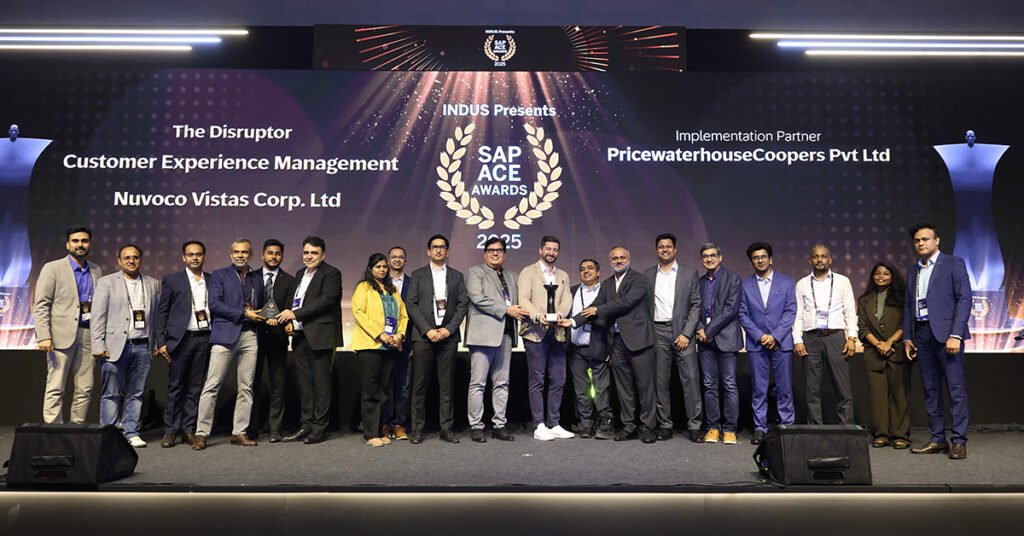
Event management services in Bangalore

On any given weekend in Bangalore, a startup may be celebrating its Series A funding. Meanwhile, somewhere in Koramangala, a couple could be exchanging vows under fairy lights on a rooftop. At the same time, a multinational company may be hosting its leadership summit on Residency Road, while a college prepares for its biggest cultural fest of the year. The city never really stops celebrating, and that is exactly what makes event management services in Bangalore one of the most dynamic and demanding industries in India today. However, successful events do not happen by chance. They come together because of detailed planning, the right team, and a strong understanding of real-world challenges such as vendor delays, last-minute cancellations, Bangalore traffic, sudden weather changes, and tight timelines. Whether you are planning your first corporate conference or your daughter’s dream wedding, this guide explains the key elements of successful event planning in Bangalore. More importantly, it shows why choosing the right event management company can make a major difference. Start With a Clear Vision and Defined Objectives Every successful event begins long before the first decoration goes up. It starts with one important question: What should this event achieve? For example, a corporate product launch may focus on media coverage, brand visibility, and lead generation. In contrast, a wedding may aim to create an emotionally memorable experience for the couple and their guests. Similarly, a brand activation may measure success through footfall, customer engagement, and social media impressions. Without a clear objective, every subsequent decision becomes guesswork. The venue, budget, theme, entertainment, food, guest experience, and promotional strategy all depend on the event’s main purpose. A professional event management company in Bangalore usually begins with a discovery conversation. During this stage, the team may ask questions such as “Who is your audience?” What should guests feel when they leave? What does success look like the day after the event? Although these questions may seem simple, they form the foundation for every planning decision. Therefore, before contacting event planning companies near me, write down your event’s purpose in one clear sentence. This sentence will guide every choice you make throughout the planning process. Budgeting: The Art of Allocating Realistically Budget discussions often decide whether an event plan succeeds or fails. In many cases, the issue is not that the budget is too small. Instead, the problem is that the available budget is not allocated wisely. In Bangalore, event costs can vary widely depending on the location, season, guest count, event type, and level of customization. For instance, venues in central Bangalore usually charge higher rates than spaces in outer areas. Likewise, peak wedding and corporate event seasons may increase vendor and venue costs. Hidden expenses also create problems when they are not planned in advance. These may include generator backup, parking management, security staff, overtime charges, additional setup time, transport, permissions, and emergency arrangements. As a result, experienced event companies near me in Bangalore often recommend keeping 10–15% of the total budget as a contingency reserve. This buffer is especially important in a city like Bangalore, where a short rain shower or traffic delay can create last-minute changes. Therefore, contingency planning is not an extra expense; it is a practical necessity. A seasoned event management team also helps clients decide where to spend more and where to save. For a corporate event, AV quality, lighting, and stage setup may matter more than heavy décor. On the other hand, for a wedding, photography, catering, and hospitality may be non-negotiable, while certain rental items can be selected more economically. Transparency is one of the strongest signs of a trustworthy event management company. When a company provides a clear, itemized budget rather than a vague “we will handle everything” response, it demonstrates professionalism and accountability. Venue Selection: Matching the Space to the Story Bangalore offers an impressive range of event venues. Heritage properties in the city center bring elegance and charm. Modern convention centers in Whitefield and Electronic City are well-suited to large corporate events. Rooftop spaces in Indiranagar and farmhouses near Kanakapura or Tumkur Road create completely different experiences. However, choosing the right venue requires more than admiring how the space looks. You must also consider whether the venue supports the event’s purpose, guest comfort, technical requirements, and budget. Capacity and layout flexibility are essential. The space should comfortably handle your guest count across different stages of the event, such as welcome drinks, networking, dinner, entertainment, ceremonies, or presentations. Location also matters. Since Bangalore traffic can be unpredictable, the venue should be easy for guests to reach. In addition, parking availability, valet service, and public transport access can affect the overall guest experience. You should also check the in-house facilities. Some venues provide power backup, kitchen infrastructure, furniture, basic AV systems, and parking support. Others may require you to bring in almost everything from outside. This can significantly affect the total cost. Vendor policies are equally important. Some venues allow only impaneled vendors, while others provide more flexibility. Therefore, you need to understand these terms before finalizing the venue. Permit requirements should also be reviewed early. Live music, large outdoor gatherings, alcohol service, and late-night events may require approvals from local authorities. This is where working with event management services in Bangalore becomes useful. Experienced planners know which venues are reliable, which ones have hidden infrastructure issues, and where better rates or added services can be negotiated. 4. Vendor Management: Your Network Is Your Net Worth An event is rarely managed by a single person or company. It usually involves caterers, decorators, AV technicians, photographers, videographers, florists, entertainers, transport providers, security teams, hospitality staff, and many others. However, vendor quality can vary widely. One vendor may deliver flawlessly, while another may struggle with timelines, quality, or communication. Therefore, vendor selection and coordination play a major role in the event’s success. A good event management company in Bangalore brings a trusted network of vendors to the table. For example, they may already know the right

Venue Selection Guide for Mice Events to Plan Perfect Meetings

MICE Events

Why do some corporate events feel like a chore while others spark innovation and partnerships? Often, the difference is the setting. Choosing the right venue is a strategic decision that shapes your event’s energy, attendee engagement, and business outcome. This Venue Selection Guide for mice events is your practical roadmap to planning successful meetings and events. It helps you align physical space with your goals so meetings become memorable experiences that motivate your audience and deliver measurable business results. Understanding the Scope of Your MICE Event Every successful event planning effort starts with a clear purpose. Before you shortlist venues, define what success looks like for this meeting: the business outcomes, who must attend, and the experience you want to create. This vision informs every choice—from room layout to registration flow and catering—ensuring each element supports your business goals and delivers value to attendees. Defining Meeting Objectives and Attendee Profiles Match venue selection to your objectives. Is this a training workshop, a product launch, or a partner networking session? Choosing a venue that aligns with your mission increases engagement and boosts ROI. Objective types: training, product launch, board meeting, networking, exhibition. Attendee personas: senior executives (expect quiet, premium rooms), sales teams (need collaboration spaces), and partners or clients (expect hospitality and networking areas). Design the space for your audience. Creating a setting that speaks to your attendees encourages connection, participation, and teamwork. Determining the Scale and Technical Requirements After goals and audience, map the scale: expected headcount, session formats, and simultaneous tracks. This determines how many rooms, breakout spaces, and registration desks you’ll need. Space checklist: main plenary capacity, number of breakout rooms, registration area, networking lounges, exhibitor footprint. Tech checklist: guaranteed internet bandwidth, redundancy/power backup, on-site AV support, streaming capability, microphones, and display requirements. Practical India-focused examples: a SaaS product launch in Bengaluru may need high-speed symmetrical internet and live streaming for remote customers; a pan-India sales conference requires multiple breakout rooms and robust on-site registration to handle large attendee flows. Tip: link this planning phase to your Venue shortlisting checklist so each shortlisted venue is scored on layout, capacity, tech, and registration readiness. Strategic Venue Selection Guide for MICE events Begin your event planning with a clear, actionable venue selection guide for mice events. Prioritize locations that balance prestige with practicality so the venue reinforces your brand while enabling flawless delivery. When you select the right location, a simple meeting becomes a memorable professional experience that drives engagement and measurable business outcomes. “The success of a corporate gathering is inextricably linked to the environment in which it unfolds; choose a space that inspires as much as it accommodates.” — Industry Expert Geographic Accessibility and Connectivity in India For India-based events, geographic accessibility is critical. Choose venues close to major airports—Mumbai (Chhatrapati Shivaji Maharaj International), Delhi (Indira Gandhi International), or Bengaluru (Kempegowda International)—to reduce travel time and increase attendance for national and international delegates. Consider last-mile options like dedicated shuttles, proximity to railway stations, and taxi availability. Nearest airport and typical transfer time Rail and highway connectivity Local hotel inventory within a 10–20 minute radius Visa support and arrival logistics for international attendees Prioritize seamless connectivity to maintain high energy and reduce no-shows. Evaluating Infrastructure and Capacity Needs Once you’ve locked the location, verify the venue’s infrastructure. A robust venue selection guide highlights essential technology and capacity checks: guaranteed internet speeds, redundant power, scalable room layouts, and dependable on-site technical support. Capacity: main plenary seating, breakout rooms, registration area, exhibitor space Technology: minimum guaranteed bandwidth, streaming/recording capability, AV package details Operational: loading docks, storage, and backstage access Scalable spaces and clear capacity charts ensure you can adapt to last-minute changes while maintaining a professional conference experience. Key Criteria for Evaluating Conference Venue Selection Choosing the right venue for your business event sets the tone for the entire experience. A structured approach to conference venue selection helps you avoid last-minute problems and ensures every element supports your objectives and audience. Assessing Audio-Visual and Technological Capabilities Modern conferences require more than a projector. Assess the venue’s technology package and on-site support before signing: reliable internet, streaming-ready infrastructure, high-quality displays, and redundant power are non-negotiable. Bandwidth: guaranteed speeds and separate networks for presenters and attendees. AV equipment: projectors/displays, wireless mics, confidence monitors, and recording/streaming capability. On-site support: dedicated AV technicians, run-through/demo sessions, and contingency plans for tech failures. Verifying these technology capabilities ahead of time ensures clear communication for both in-person and remote attendees and reduces the risk of session interruptions. Analyzing Catering and Hospitality Standards Catering and hospitality directly affect attendee satisfaction and brand perception. Ask venues for sample menus, service-level details, and how they handle special diets to ensure the food matches your audience and event tone. Menu options: Standard, vegetarian, vegan, Jain, and regional Indian cuisine choices. Service model: Plated meals, buffets, or live stations, and options for coffee breaks and networking refreshments. Facilities: Dedicated back-of-house for catering, temperature control, and timing coordination for sessions and breaks. Request sample menus and an AV spec sheet during venue evaluation so you can compare conference-ready facilities and hospitality standards across shortlisted venues. Navigating Meeting Venue Options Across India Finding the right event space in India takes focused research. Corporate planners must evaluate a range of meeting venues to select one that supports business goals, brand tone, and attendee needs. The ideal space should feel professional while reinforcing your brand — from room design to service style — so the overall experience matches your objectives. Comparing Luxury Hotels versus Dedicated Convention Centers Luxury hotels in cities such as Mumbai, Delhi, and Bengaluru are attractive for many events because they bundle accommodation, catering, and meeting rooms, simplifying logistics for international and domestic delegates. Dedicated convention centers, however, offer larger capacities and more modular spaces — ideal for exhibitions, large conferences, and multi-track events where scale and technical flexibility matter most. Feature Luxury Hotels Convention Centers Primary Focus Hospitality & Comfort Capacity & Technicality Logistics Integrated (Stay & Meet) Modular (Event-focused) Best For Board meetings,

MICE Planning Guide: How to Run Conferences, Incentives and Exhibitions That Deliver Results
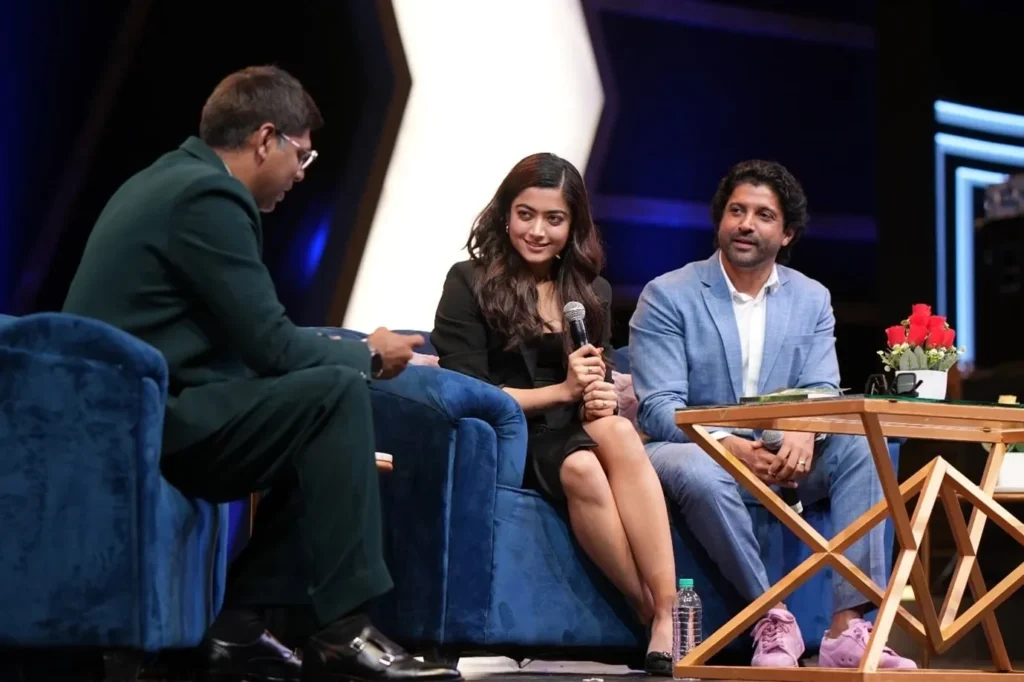
Corporate Event Management Company In Bangalore, Karnataka

Here’s a number that might surprise you: Corporate events contribute more than $1 trillion to the global economy every single year. That’s not just a statistic about big companies spending a lot of money. Rather, it reflects something more fundamental — that when the right people gather with a clear purpose, real business happens. Relationships form. Deals begin. Ideas that were stuck on slides suddenly start moving. But scale alone doesn’t create impact. In fact, many large, expensive corporate events yield little beyond a nice venue and a forgettable buffet. What separates events that drive genuine business results from those that don’t comes down to one thing: Intentional planning. This MICE Planning Guide exists to bridge that gap. Whether you’re organizing a leadership conference, an incentive trip for your top performers, a dealer meet, or a large-scale industry exhibition, this guide gives you a practical framework for turning ideas into measurable outcomes. In other words, better leads, stronger partnerships, more motivated teams, and events your attendees actually remember. Understanding the MICE Industry Landscape Before diving into checklists and budgets, it helps to understand what MICE actually means in practice — and why each of its four components demands a different planning approach. What Each Format Is Really For MICE stands for Meetings, Incentives, Conferences, and Exhibitions. Each format serves a distinct business purpose, attracts a different kind of attendee, and consequently requires a different set of logistics. Meetings are typically smaller, decision-focused gatherings. Board meetings, leadership sessions, client reviews, and investor presentations are intimate by design. The goal is alignment and action, not spectacle. Incentives are experience-driven rewards, often involving travel, that recognize top performers and reinforce the behaviors a company wants to encourage. A well-designed incentive program doesn’t just say “thank you.” Instead, it says “we noticed, and we want you to keep going.” Conferences scale knowledge sharing and networking across an industry or organization. They work best, however, when they balance structured content with genuine opportunities for connection — because the hallway conversations between sessions are often as valuable as the keynotes themselves. Exhibitions allow companies to display products, demonstrate services, and build partnerships with a highly targeted, commercially active audience. For many brands, a well-executed exhibition stand generates more qualified leads in two days than months of digital outreach do. Why Bengaluru Works So Well for MICE Events Bengaluru has quietly become one of India’s most important corporate event destinations—and for reasons beyond its size alone. The city offers a mix of world-class venues, strong international and domestic connectivity, and a dense ecosystem of technology, manufacturing, healthcare, real estate, and financial companies. Moreover, its vendor network has grown sophisticated alongside the demand for professional events. Hotel inventory is broad, transit links are reliable, and local expertise is genuinely available. At one regional conference we supported in Bengaluru, combining local vendor partnerships with streamlined venue logistics cut on-site setup time by 30% and measurably raised attendee satisfaction scores. As a result, that kind of outcome is repeatable — when you plan with local knowledge rather than against it. Setting Goals That Actually Mean Something The most common mistake in corporate event planning isn’t a bad venue choice or a blown budget. Rather, it’s starting without a clear definition of what success looks like. When your event planning connects directly to your company’s strategic goals, every decision becomes easier. Specifically, you know what kind of attendees you need in the room. You know what content serves them. You know what a follow-up should look like. And consequently, you know after the event whether it actually worked. Knowing Your Audience Before You Plan Anything Start by mapping your core stakeholders — executive sponsors, department leads, channel partners, and customers — and understanding what each group actually needs from the event. What are their priorities? What problems are they trying to solve? And what format — workshop, roundtable, demo, keynote — is most likely to engage them? A quick stakeholder checklist to build early: Identify the key decision-makers for each group, document their communication preferences, assign a single point of contact for each group, and get their expectations in writing before planning begins. Replacing Vague Aims With Measurable Goals “Successful event” is not a goal. Neither is “good networking” nor “strong brand presence.” These are outcomes that are impossible to measure and therefore impossible to improve. Replace them instead with SMART objectives tied to clear KPIs. For example: Lead Generation: Generate 150 qualified leads at the conference and convert 10% to pipeline within 90 days. Brand Awareness: Increase social media reach by 40% during the event and grow the follower base by 1,000 within the following month. Employee Training: Deliver three workshops with a post-event assessment average score of 80% or higher. Networking: Facilitate 200 meaningful connections tracked via the event app and schedule at least 50 follow-up meetings. Objective Primary Metric Success Indicator Lead Generation Qualified Leads Conversion Rate (post-event) Brand Awareness Social Media Reach Engagement Volume Employee Training Knowledge Retention Post-Event Assessment Networking Connection Count Follow-up Meetings When goals are this specific, your event strategy writes itself—and your post-event reporting consequently becomes a genuine business document rather than a highlights reel. Budgeting: Where Strategy Meets Reality A budget isn’t just a financial document. In fact, it’s a statement of priorities. How you allocate money across an event tells you — and your leadership team — what you actually believe matters most. Allocating Funds Where They Move the Needle For most conferences and large-scale corporate events, venue selection is the largest line item — and rightly so. The venue shapes capacity, flow, and the first impression every attendee forms before a single session begins. Catering and hospitality follow closely. Good food and smooth service create the kind of relaxed environment where networking actually happens. Technology and AV, meanwhile, are no longer optional extras—reliable internet, interactive displays, and high-quality sound directly affect engagement, lead capture, and your brand’s professional appearance throughout the event. A starting allocation framework to adapt by

Benefits of MICE: How MICE Events Boost Corporate Growth and Brand Visibility
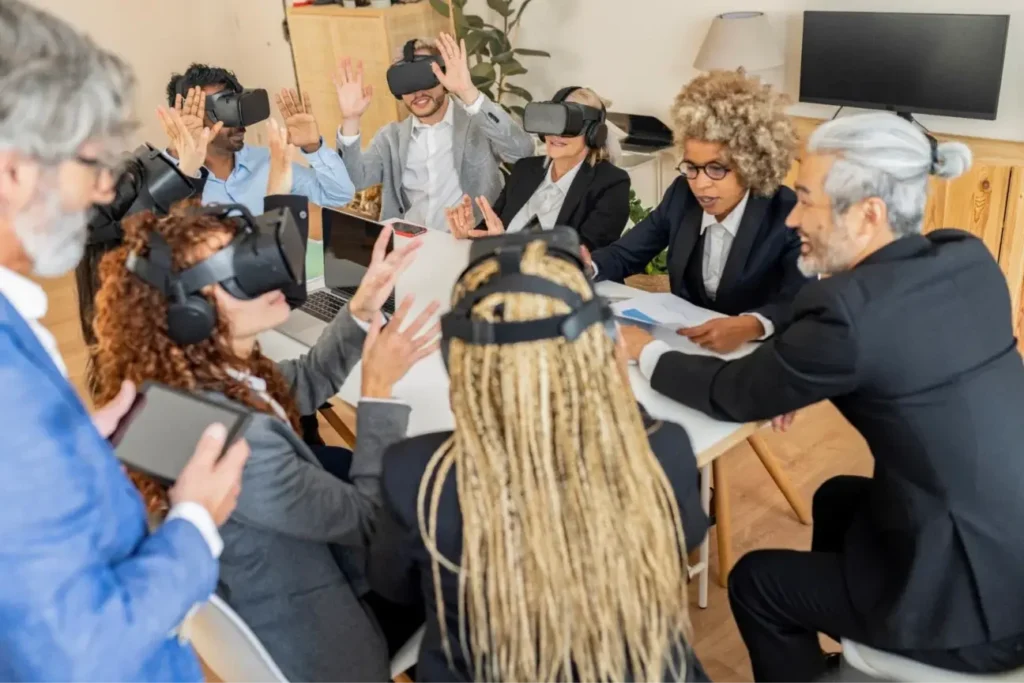
MICE Events

Here’s something most businesses don’t fully appreciate until they’ve experienced it firsthand: a well-planned MICE event can do more for your brand in two days than months of digital advertising. MICE stands for Meetings, Incentives, Conferences, and Exhibitions. In short, it isn’t just industry jargon. Smart companies use this framework to build real relationships, motivate their people, generate qualified leads, and reach the right audience. For businesses in India’s corporate heartland, especially in Bengaluru, MICE event planning has therefore become one of the most powerful tools for sustainable growth. Think about it this way. Every business faces the same core challenges at some point. And most importantly, how do you make your brand memorable in a crowded market? MICE events answer all of those questions directly. Meetings bring your team into alignment before confusion takes root. Incentive programs remind your top performers that their hard work hasn’t gone unnoticed. Meanwhile, conferences position your company as a voice worth listening to. Exhibitions, in addition, put your products in front of the people most likely to become your next customers. But great results don’t happen automatically. A strong MICE event requires strategy, creative thinking, smart vendor coordination, genuine audience engagement, and a clear sense of what success looks like before the first invitation goes out. When all of that comes together, however, these events stop being one-time gatherings and start becoming genuine business assets. For companies that want to grow their influence, deepen stakeholder relationships, and create corporate experiences people actually remember, understanding the full scope of what MICE can deliver is the right place to start. What Is MICE in Corporate Event Management? At its core, MICE is about bringing the right people together for a clear and purposeful reason. Whether that room holds ten decision-makers around a boardroom table or ten thousand attendees at a convention center, the idea stays consistent. The goal is to create an environment where business can actually happen. Where relationships can form naturally. Where ideas get challenged and refined. As a result, opportunities surface that no LinkedIn message or cold email could have started. The four components—Meetings, Incentives, Conferences, and Exhibitions—each serve a different function. Together, however, they work toward the same outcome: helping your company connect more meaningfully and grow more strategically. Consider what each format can look like in practice. For instance, a product launch can generate real excitement among your distribution network. A dealer appreciation event strengthens relationships built over the years. Similarly, a leadership offsite gives your senior team space to think beyond the daily grind. Furthermore, a national sales conference aligns hundreds of employees around a shared vision. An industry exhibition puts your innovation in front of exactly the buyers looking for it. For companies that approach these events with intention and professional planning, they consequently become strategic investments with measurable returns. The Real Benefits of MICE for Modern Businesses 1. Your Brand Gets Seen — By the Right People, in the Right Way There’s a clear difference between being advertised and being experienced. That difference, in fact, explains why MICE events deliver a kind of brand visibility that no digital campaign can replicate. When someone sees your banner ad online, they scroll past in half a second. When they walk into your conference setup, interact with your team face-to-face, and watch a live product demo, that experience stays with them. It shapes how they think about your company long after they’ve left the venue. MICE events, therefore, create direct, memorable interaction. A well-designed exhibition stall with clear branding. A thoughtfully staged conference with strong visual identity throughout. A dealer meets where every touchpoint reflects the same brand values. These aren’t just aesthetic choices. Rather, they are trust-building moments that compound over time. How Brand Visibility Extends Beyond the Event The impact doesn’t stop when the event ends. In fact, attendees who have a positive experience share it on social media, in conversations with colleagues, and in recommendations to their own networks. Moreover, PR coverage, word-of-mouth referrals, and organic social reach often begin at well-executed MICE events. As a result, paid channels rarely need to carry the entire visibility burden on their own. 2. Relationships Built in Person Last Longer and Go Deeper Emails are efficient. Video calls are convenient. But neither, however, replicates the moment when you share a meal with a potential partner or have an unscripted conversation at the side of a conference hall. MICE events create those moments—and in business, those moments carry real weight. The client who meets your leadership team at a dealer meet is far more likely to renew and grow their relationship with you than one who only exchanges emails. Similarly, the investor who attends your annual conference and watches your team handle tough questions with confidence leaves with a very different level of trust. Why Bengaluru Makes Networking Even More Valuable In Bengaluru, industries such as technology, real estate, healthcare, education, finance, and manufacturing are continually seeking reliable corporate partnerships. Consequently, structured networking—business matchmaking sessions, roundtables, investor interactions, partner appreciation events, and industry panels—opens doors that even the best cold outreach strategy cannot. Furthermore, these connections aren’t just networking in the superficial sense. They are the beginnings of collaborations, referral relationships, and long-term partnerships that drive real business growth for years after the event has ended. 3. Recognition Is One of the Most Powerful Business Tools You Have Here’s a truth every business leader knows but doesn’t always act on: People don’t just work for salaries. They work to feel valued, seen, and acknowledged for their contributions. Incentive events — one of the four core pillars of MICE — are built around that very human reality. When a company takes the time to celebrate its top salespeople, thank its channel partners for another strong year, or take its best-performing dealers on an experience they’ll talk about for months, it sends a clear message: we notice what you do, and we care enough to show it. The Business Case for Incentive

What Are MICE Events? A Complete Guide to Business Events, Conferences, Incentives, and Exhibitions
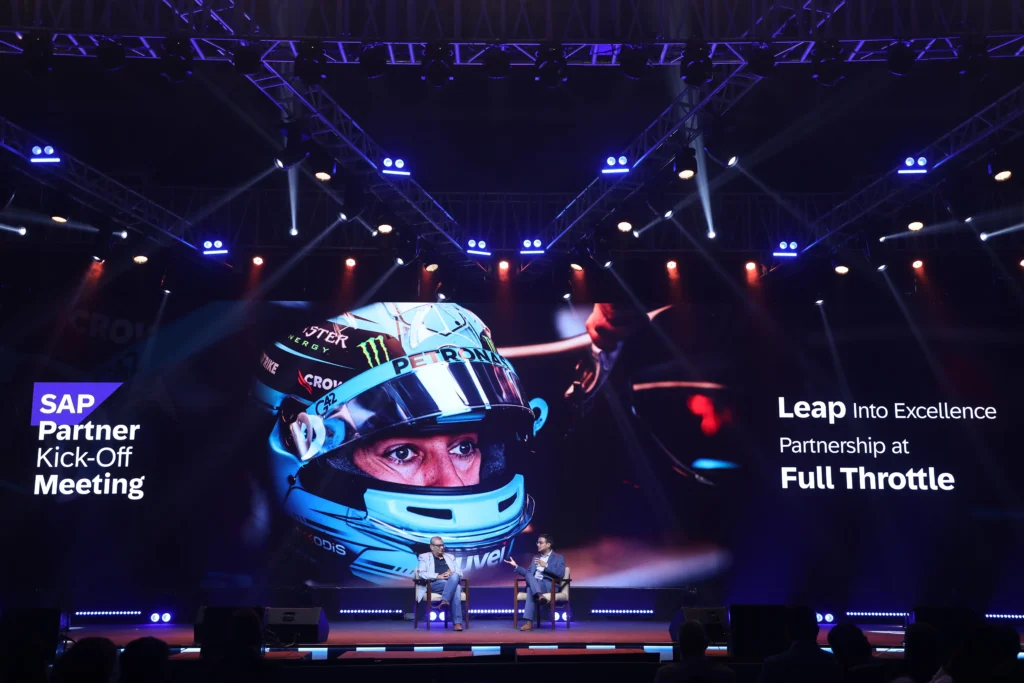
MICE Events

MICE Events are business-focused events that include Meetings, Incentives, Conferences, and Exhibitions. These events help companies connect with clients, reward employees, launch products, build partnerships, generate leads, and improve brand visibility. In today’s competitive business world, MICE events have become an important part of corporate growth, especially for companies that want meaningful face-to-face, hybrid, or large-scale professional engagement. For businesses in Bangalore and across India, MICE events offer a strong opportunity to bring people together with a clear purpose. A well-planned meeting can improve decision-making. An incentive event can motivate teams. A conference can build industry authority. An exhibition can attract leads and showcase products. However, successful MICE events need more than a venue and a guest list. They need strategy, planning, branding, technology, logistics, audience engagement, and smooth execution. This is where an experienced event management company like Zeal Integrated can help businesses create professional, memorable, and result-driven event experiences. What Are MICE Events? MICE Events refer to four major types of corporate and business events: Meetings, Incentives, Conferences, and Exhibitions. Each type serves a different business purpose, but all of them focus on professional communication, networking, brand building, and business growth. MICE is a widely used term in the event management and business tourism industry. Companies, associations, institutions, government bodies, and professional groups use MICE events to bring people together for specific goals. Here is what each part means: Meetings are organized gatherings where people discuss business plans, strategies, decisions, updates, or partnerships. Incentives are reward-based events or trips planned to motivate employees, dealers, sales teams, or business partners. Conferences are larger professional events where experts, leaders, and audiences come together to share knowledge and discuss industry topics. Exhibitions are events where brands display products, services, innovations, or solutions to a targeted audience. Together, MICE events help businesses communicate more effectively, expand their networks, strengthen relationships, and achieve measurable outcomes. Why MICE Events Are Important for Businesses MICE events are important because they help businesses move beyond regular communication. Emails, calls, and online meetings are useful, but they cannot always create the same impact as a well-planned business event. A MICE event gives people a shared experience. It allows them to interact, ask questions, explore products, learn from experts, and build trust. As a result, businesses can create stronger connections with employees, customers, partners, and industry stakeholders. MICE events help businesses: Build brand awarenessImprove customer relationshipsGenerate leadsMotivate employeesEducate teamsLaunch productsStrengthen partnershipsCreate networking opportunitiesBuild industry authorityImprove stakeholder engagement For example, a corporate conference can position a company as a thought leader. Similarly, an exhibition can help a brand meet serious buyers. An incentive event can boost employee morale, while a business meeting can help teams make decisions faster. Therefore, MICE events are not just event activities. They are business growth tools. MICE Events: Understanding Meetings Meetings are among the most common components of MICE events. They are planned to bring people together for discussion, decision-making, planning, or review. Corporate meetings may be small or large. Some meetings may include only leadership teams, while others may involve clients, investors, partners, vendors, or employees. Common types of corporate meetings include: Board meetingsLeadership meetingsSales review meetingsDealer meetingsInvestor meetingsPartner meetingsAnnual business meetingsStrategy meetingsTraining meetingsClient meetings A successful meeting needs a clear agenda, a suitable venue, proper seating, presentation support, time management, and smooth coordination. Without planning, meetings can become long, unclear, and unproductive. An experienced event management company in Bangalore can help businesses plan focused, professional meetings. This includes venue selection, AV setup, registration support, hospitality, branding, and on-site coordination. When meetings are planned well, they improve communication and help teams reach clear outcomes. MICE Events: Understanding Incentives Incentive events are designed to reward and motivate people. Companies often use incentive events to appreciate employees, sales teams, dealers, distributors, or business partners for their performance. These events may include award nights, recognition programs, luxury experiences, travel-based rewards, team celebrations, or destination events. Incentive events help businesses: Reward top performersImprove employee motivationBuild loyaltyEncourage better performanceStrengthen team spiritCelebrate milestonesImprove partner relationshipsCreate an emotional connection For example, a company may organize an incentive trip for its best sales team. Another business may host an award ceremony to recognize dealers who met their annual targets. A strong incentive event should feel special. It should create pride, happiness, and motivation. Therefore, it needs careful planning, strong hospitality, entertainment, branding, and guest experience management. Zeal Integrated helps businesses design incentive events that feel meaningful and memorable. From theme planning and venue coordination to stage setup, entertainment, and guest management, every detail can enhance the experience. MICE Events: Understanding Conferences Conferences are formal or semi-formal events where people gather to discuss a specific topic, industry, business challenge, or area of interest. They are often used for knowledge sharing, networking, training, brand building, and thought leadership. Conferences may include keynote speeches, panel discussions, breakout sessions, workshops, product showcases, networking zones, and Q&A sessions. Common types of conferences include: Business conferencesTechnology conferencesMedical conferencesEducation conferencesLeadership conferencesIndustry conferencesPartner conferencesAnnual conferencesHybrid conferencesVirtual conferences A successful conference needs detailed planning. The event team must manage speakers, the agenda, registration, branding, stage design, AV production, audience engagement, hospitality, and post-event reporting. For example, a technology conference may need LED screens, live demos, panel discussions, digital registration, and networking areas. On the other hand, a leadership conference may need a premium venue, formal branding, keynote speakers, and a strong content flow. A professional corporate event management company in Bangalore can ensure that every element of the conference supports the event’s goal. MICE Events: Understanding Exhibitions Exhibitions are business events where companies display products, services, ideas, or innovations to a selected audience. They are useful for lead generation, product education, brand visibility, and industry networking. Exhibitions may be part of trade shows, expos, conferences, product showcases, or industry events. Businesses use exhibitions to: Display productsMeet potential customersGenerate leadsBuild brand awarenessLaunch new servicesStudy competitorsConnect with industry partnersCollect feedbackCreate product demosImprove market reach A successful exhibition requires an attractive stall design, clear branding, proper lighting, trained staff, product displays, lead-capture

How To Host A Corporate Event In Bangalore?
Corporate Event In Bangalore

Let’s be honest — hosting a corporate event is stressful. There’s pressure to make it look good, feel right, and actually mean something to the people who show up. Whether you’re putting together a product launch, an annual day, a dealer meet, or a leadership summit, the stakes are real. Moreover, for a corporate event in Bangalore, where good venues book fast, and traffic can ruin even the best plans, you need more than a checklist. You need a clear head and a solid strategy. This guide walks you through the whole process — practically, not theoretically. Why Does A Corporate Event in Bangalore work well? Bangalore isn’t just India’s tech capital — it’s a city that truly gets business. The setup here is built for it. You’ll find premium hotels, large convention centers, smaller boutique spaces, rooftop venues, resort properties, and a vendor market that can pull off almost anything you imagine. However, that same energy makes things competitive. Good venues fill up fast. Traffic is hard to predict. Guest expectations are high. So, if you’re planning something here, start early and plan smart. Get Clear on Your “Why” Start With One Simple Question Before you think about décor or food, answer this honestly: What do you actually want this event to do? Are you trying to build client relationships? Launch something new? Give your team a moment to feel truly celebrated? Train people? Build media coverage? Let the Goal Drive Every Decision Your answer shapes everything else — the venue, the tone, the format, the budget, and even the food. For example, a product launch needs drama and demo counters. A leadership conference needs clean execution, solid sound, and visuals. An annual day, on the other hand, needs heart and emotion. So, write the goal down. Then use it as your filter for every decision that follows. Think About the People Coming Design the Event Around Your Audience This sounds obvious, but it’s where many events go wrong. The event isn’t for you — it’s for the people in the room. For instance, a gathering of senior leaders needs to feel polished and respect their time. An employee celebration should have energy and warmth. A startup networking evening, however, should feel open and easy — not stiff or overly formal. Consider Where Guests Are Travelling From Also, think practically about where your guests are coming from. In Bangalore, that matters a lot. Someone traveling from Whitefield at 6 pm is dealing with very different roads than someone coming from Indiranagar. As a result, venue location isn’t just a logistical detail—it directly affects who shows up and how they feel when they arrive. Set a Budget That Reflects Reality Have the Budget Conversation Early Budget talks are uncomfortable, but skipping them is worse. The most common regret about events isn’t overspending — it’s spending too much in the wrong places and too little in the right ones. Cover All the Key Areas Cover the basics first: venue, food, AV, branding, décor, entertainment, photography, staff, transport, and permissions. Then, add 10–15% as a backup buffer. Something will always come up — extra seating, a last-minute upgrade, or an unexpected change in guest numbers. A good event partner, furthermore, helps you spread the budget so the experience feels balanced from start to finish. Pick the Right Format for Your Goals Match the Format to the Purpose Not every business gathering needs the same shape. A conference is built around knowledge and conversation. A product launch is built around a key moment. An annual day is built around feeling something together. A team-building event, in contrast, is built around doing things as a group. Find a Venue That Works Hard for You Look Beyond the Photos The venue does a lot of work before a single word is spoken. When you’re shortlisting options, don’t just look at pictures. Ask real questions: Can you hear clearly from the back of the room? Is the ceiling high enough for proper lighting? Does the venue allow outside vendors, or will you be locked into their in-house team? Think About Access and Location Also ask, “Where do guests park?” Is there a room for speakers to wait? In Bangalore, location clusters matter. Events for East Bangalore companies often work better in Whitefield. Central gatherings suit MG Road or Indiranagar. Larger events, on the other hand, may need Palace Grounds or one of the bigger convention hotels. Book Well in Advance Finally, book early — ideally 2 to 4 months ahead for anything significant. Good venues go fast. Build a Theme That Actually Means Something Give the Event a Central Idea A theme isn’t just a color palette. It’s the idea that holds the whole event together — the thing that makes the stage, the invite, the décor, and the guest experience feel like one clear story. Keep It Simple but Meaningful For example, if you’re launching a tech product, the idea might be transformation or future readiness. If it’s an annual day, it might be the journey—where you’ve come from and where you’re headed next. Keep it simple enough to say clearly, but strong enough to make people feel something. Treat Branding as a Guest Experience Every Touchpoint Leaves an Impression Every branded element is a moment of contact between your company and your audience. The entrance, the registration desk, the stage backdrop, the delegate kit, the name badge — these aren’t just design choices. The impressions add up. Balance Is Key Good event branding, therefore, feels consistent and clean without being too much. It should remind people where they are and who invited them—without repeating it loudly from every corner of the room. Build a Real Event Flow Go Beyond a Simple Running Order A running order tells you what happens when. An event flow, however, tells you how it happens — who’s responsible, what the technical cue is, what the backup plan is, and where the energy needs to lift or settle. Build

Event Management Companies in Bangalore: Key Considerations for Planning a Successful Event Party
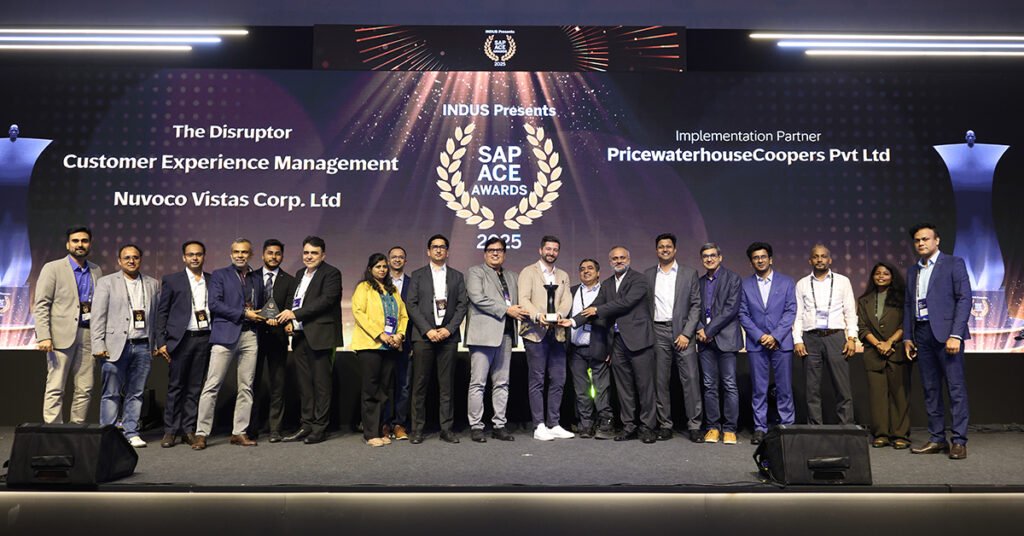
Top event management companies in Bangalore

Planning a corporate event party in Bangalore sounds exciting at first. You picture a beautiful venue, great food, music, smiling employees, happy clients, and a night everyone talks about for weeks. However, once the actual planning begins, the pressure becomes very real. Suddenly, you’re juggling the venue, guest list, theme, budget, décor, entertainment, branding, food, sound, lighting, transport, permissions, and last-minute changes—all at once. It is advised to hire the best corporate event management companies in Bangalore. That’s why so many companies choose to work with professional event teams in Bangalore. Because a corporate party isn’t just a social gathering. It’s a brand experience. It reflects your company culture, your values, and your attention to detail. Bangalore is one of the best cities in India for corporate events. The city has premium hotels, resorts, rooftop venues, banquet halls, and creative vendors who can pull off almost anything. At the same time, however, Bangalore also brings its own challenges—traffic, high demand for venues, unpredictable weather, and tight timelines. So, successful planning needs strategy, creativity, and solid execution. Whether you’re organizing an annual party, a team celebration, a client appreciation evening, a festive gathering, or a leadership dinner, this guide covers everything you need to know. Why Do Corporate Events Matter? A corporate event party is more than an evening of food and music. It gives people a real chance to connect beyond daily work. It helps employees feel appreciated, clients feel valued, and everyone feels a little closer to the brand. A well-planned party can improve team morale, strengthen company culture, celebrate milestones, and build lasting relationships. In a competitive city like Bangalore, companies are investing more in meaningful corporate experiences. They no longer want basic gatherings. Instead, they want events that feel thoughtful, organized, and genuinely memorable. That’s exactly where professional planning makes the difference—turning a standard office party into something people actually look forward to. Start With a Clear Purpose Ask “Why” Before Anything Else Every good corporate party starts with a clear reason for hosting it. Before you book a venue or pick a theme, ask one honest question: Why are we hosting this event? Your reason might be employee appreciation, an annual celebration, client networking, team bonding, a festive gathering, or a product milestone. Once you know the goal, every other decision becomes much simpler. Let the Purpose Shape the Tone For example, if the event is for employees, the atmosphere can be energetic, informal, and fun. If it’s for clients, the tone should feel premium and well put together. If it’s a leadership dinner, the setup should be elegant and conducive to conversation. Many companies make the mistake of planning the event first and figuring out the purpose later. As a result, the whole evening feels scattered and unclear. Starting with a goal, therefore, gives every element — the venue, entertainment, food, and format — a clear direction. Understand Who’s Coming Your Audience Sets the Mood Your guest list decides the mood of the entire event. A corporate party for young employees will look and feel very different from a CXO networking dinner. Similarly, a client appreciation evening needs a completely different approach from an internal team celebration. Think Beyond Job Titles Before planning, think carefully about who is attending — employees, leadership, clients, dealers, investors, families, or special guests. Also consider their age group, food preferences, travel convenience, and what kind of evening they’re actually hoping for. For instance, if senior leaders are on the guest list, avoid loud music from the very beginning. Instead, create a smooth flow with networking, dinner, and lighter entertainment. If, however, the event is for employees, you can include games, performances, awards, a DJ, and interactive activities without hesitation. Good event planners design the experience around the people in the room—not just around what the company wants to celebrate. Choose a Venue That Fits The Venue Does More Than You Think The venue is one of the biggest decisions you’ll make. Bangalore has plenty of options — luxury hotels, business hotels, resorts, rooftops, banquet halls, open lawns, corporate campuses, and lounge spaces. However, not every venue suits every event. Your choice should depend on guest count, location, budget, parking, event format, and brand image. Location Matters More in Bangalore Location is critical. If most guests are coming from Whitefield, Electronic City, Manyata Tech Park, Indiranagar, or Koramangala, choose a venue that reduces travel stress. Traffic can directly affect attendance, mood, and event timing. What to Check Before You Sign Before confirming any venue, check parking availability, guest capacity, stage space, sound restrictions, food quality, vendor flexibility, backup power, restrooms, green rooms, and branding options. Also, confirm the entry and exit flow, weather backup, and safety arrangements. Finally, book early — especially during festive seasons and the December corporate party period, when good venues disappear fast. Set a Budget That Makes Sense Control Costs From the Start A corporate party can get expensive quickly if costs aren’t managed from the beginning. Your budget should cover the following: venue, food and drinks, stage setup, sound and lighting, LED screens, décor, branding, entertainment, an emcee, photography, videography, registration, security, transport, permissions, and event staff. Always Keep a Backup Amount Always set aside 10% to 15% as a contingency buffer. Last-minute needs are common — extra seating, additional food counters, more branding material, or transport support can all come up without warning. The goal, however, isn’t always to spend more. It’s to spend wisely. A well-thought-out budget balances experience, comfort, branding, and entertainment so nothing feels underdone—and nothing feels wasted. Build a Theme That Ties Everything Together A Theme Makes the Event Feel Complete A strong theme turns a random arrangement of food, music, and décor into something that actually feels connected. Without a theme, events can look patchy. With one, every element supports the next. Match the Theme to Your Audience Your theme could be based on a company milestone, brand colors, an awards night, a retro or Bollywood evening, a

How to Choose the Right Corporate Conference Organizer?
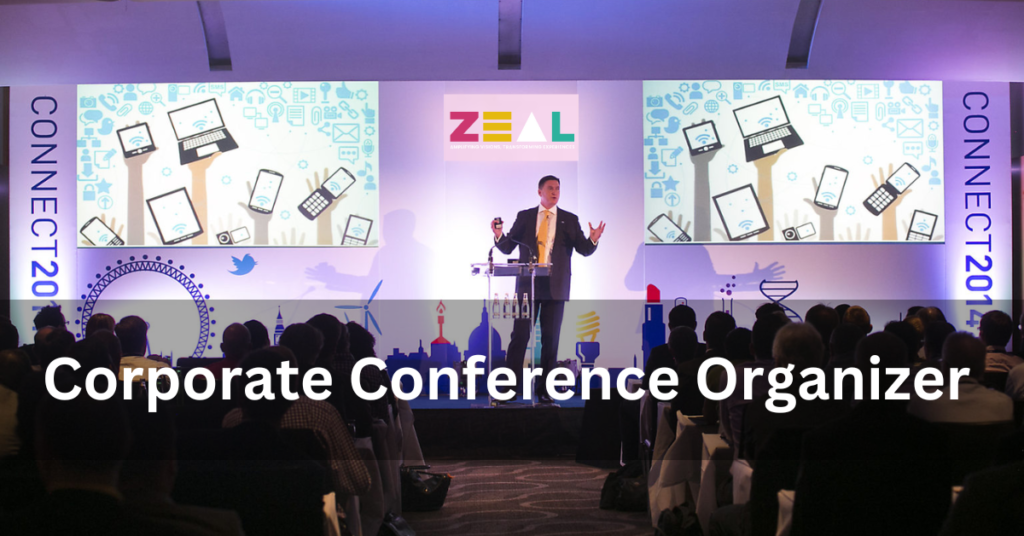
Corporate conference organizer

Let’s be honest — nobody remembers the conference that ran like clockwork. Instead, they remember the one where the mic died mid-keynote, the food ran out before half the guests were served, or the speaker arrived to find their slides missing. A great conference feels effortless. However, behind that effortlessness is an enormous amount of strategy, coordination, and preparation. That is exactly what a professional corporate conference organizer does. Whether you are hosting 50 senior leaders or 500 industry professionals, partnering with the right event team is one of the smartest decisions your business can make. A Conference Is Never Just a Meeting Think about what your conference actually needs to do. It might need to build trust with clients, fire up your sales team, launch a product, or position your brand as an industry thought leader. That is a lot to ask of a single day — or even two. Moreover, attendees notice everything. A slow registration queue, a stage that looks thrown together, sessions that drag on too long, and unclear signage—each of these chips away at the experience you worked so hard to create. One small thing going wrong does not ruin an event on its own. However, five small things together? That is a completely different story. This is why experienced businesses do not leave conference planning to an already-stretched internal team. Instead, they bring in people who do this every single day. What Does an Event Company Actually Do? More than most people expect. Yes, they handle the venue and the décor. But a good event company is really a strategic planning partner. In fact, they sit down with you before a single booking is made and ask the questions that matter most: What do you want attendees to walk away feeling? Who is your audience — employees, clients, dealers, or investors? Is the goal to inspire, educate, sell, or celebrate? How do you define success for this event? Once those answers are clear, they build everything around them. Every design choice, session format, speaker brief, and hospitality detail connects back to your business objective. As a result, nothing is added for its own sake. That is what separates a good conference from a forgettable one. Getting the Venue Right (It Is Trickier Than It Looks) A beautiful venue is not automatically the right venue. You need a space that genuinely works — one where the stage is visible from every seat, the sound does not echo, the internet holds up under pressure, there is enough parking, and guests can actually find the registration desk without asking three people for directions. What a Site Visit Really Covers A professional event company does not just browse venue websites. Instead, they visit the space in person—walking the floor, checking the lighting, testing the acoustics, measuring the stage, observing the back-of-house flow, and carefully considering how 300 people will move through the space over an eight-hour day. For conferences in Bangalore, especially, location matters enormously. Traffic here is not just an inconvenience — it can genuinely affect how many people show up on time. Consequently, an experienced event company in Bangalore knows which venues work best for which audiences, whether you are drawing guests from Whitefield, Koramangala, Hebbal, or Indiranagar, or flying them in from out of town. Budgeting: Where Most Conferences Go Wrong Early Here is a pattern that plays out more often than it should. A company sets a generous budget, spends heavily on the venue, and then realizes—two weeks before the event—that barely anything is left for branding, technology, or guest kits. A professional event company prevents this by building a complete, realistic budget from day one. Everything gets a line item: Venue, food and beverages, stage design, sound and lighting, LED screens, branding and print, speaker travel, delegate kits, registration tools, photography and videography, manpower, security, transport, and a contingency buffer for the things nobody predicted. That last part matters more than people think. Conferences almost always need something extra at the last minute. Therefore, having a buffer means you can say yes without panicking. Branding That Actually Feels Like You Your conference should feel like your company — not like a generic corporate event that could belong to anyone. Good event branding goes well beyond putting your logo on a backdrop. Rather, it shapes the entire visual and emotional experience—from the entrance arch guests walk through on arrival to the welcome kit on their seat to the graphics on the LED screens behind the speaker. Why the Stage Deserves Special Attention When branding is done well, guests feel like they are inside your brand’s world. When it is done poorly — too cluttered, inconsistent, or clearly rushed — it quietly damages the credibility you are trying to build. Furthermore, the stage deserves real care. Every photo, every video clip, and every social media post from the day will feature it prominently. Therefore, it should look polished, purposeful, and unmistakably yours. Speakers and Agenda: The Heart of the Conference Even the most beautifully produced conference falls flat if the sessions do not land. A strong agenda is not simply a list of speakers and topics. Instead, it is a carefully designed experience — one that keeps energy up, respects attendees’ attention spans, balances information with interaction, and builds toward a clear conclusion. How to Keep Energy Up Throughout the Day Experienced event companies know that back-to-back speeches for three hours is a recipe for people checking their phones. As a result, they push for variety: a keynote, then a panel, then a break, then a focused workshop, then a networking session. Sessions should breathe rather than suffocate. Speaker coordination matters just as much. The event team sends clear briefs to speakers well in advance, collects and tests presentations before the event, arranges green rooms, and rehearses stage entries. Consequently, speakers walk on feeling confident and prepared—and that energy is genuinely contagious. Technology: The Part That Can Make or Break Everything A mic that

Conference Event Management in Bangalore: Planning, Tips and Innovative Ideas
Conference Event Management in Bangalore

Planning a corporate conference is not only about booking a venue, arranging chairs, and inviting speakers. A good conference is a complete business experience. It gives your company a platform to share ideas, build relationships, motivate teams, connect with clients, and strengthen your brand image. At its best, conference event management in Bangalore helps companies create events that people remember for the right reasons. A well-planned conference can improve trust, increase engagement, support networking, and build authority. However, a poorly managed conference can waste time, money, and business opportunities. Bangalore is one of India’s most active corporate hubs. The city hosts leadership summits, dealer meets, annual conferences, investor meetings, product launches, employee training programs, and hybrid business events throughout the year. Because of this, audiences in Bangalore expect events to feel professional, smooth, and meaningful. This is where expert conference organizers in Bangalore make a big difference. They manage the planning, vendors, production, registration, branding, technology, hospitality, and on-ground execution. As a result, your internal team can focus on guests, content, and business goals instead of handling last-minute stress. In this blog, you will learn how to plan a successful conference, what tips improve the experience, and which innovative ideas can make your next corporate event stand out. Why Conference Event Management in Bangalore Matters A conference represents your company’s professionalism. When guests attend your event, they notice everything. They notice how easy registration is, how comfortable the seating feels, how clearly the speakers are heard, how good the food is, and how well the agenda respects their time. Therefore, professional conference event management in Bangalore deserves serious attention. It is not just a support service. It is a strategic part of your brand communication. A professionally managed conference can help businesses: Improve brand credibility Build stronger client relationships Create better employee engagement Launch products or services effectively Support networking and partnerships Generate qualified leads Communicate the leadership vision clearly Improve learning and team alignment Create memorable guest experiences Measure event success with better data Many companies now prefer to hire corporate event organizers in Bangalore rather than manage conferences in-house. This is because professional organizers understand venue selection, vendor coordination, AV production, audience flow, speaker management, and emergency planning. Moreover, they bring local knowledge. Bangalore has traffic challenges, venue demand, vendor lead times, and high audience expectations. A local event partner understands these details and helps you avoid common mistakes. Define Your Conference Goal First Every successful conference starts with a clear goal. Before selecting the venue or planning the stage, you must know what the event is meant to achieve. Ask these questions: Who is the target audience? What should attendees learn or feel? What message should the company communicate? What action should guests take after the event? How will you measure success? Is the event for employees, clients, dealers, investors, or partners? This step is important because different conferences need different planning styles. For example, a leadership summit needs a serious and strategic tone. A sales conference needs energy, motivation, and recognition. A product launch needs storytelling, demonstrations, and excitement. Similarly, a training conference needs structure, learning tools, and active participation. A professional corporate event management company in Bangalore will first understand your goal. After that, the team will build the agenda, theme, venue layout, branding, speaker flow, and guest experience around that goal. When the purpose is clear, every event decision becomes easier. More importantly, the conference feels focused instead of random. Build a Strong Conference Theme A theme gives your conference direction. It connects the content, design, stage, branding, speaker sessions, and guest experience into one clear story. A strong theme can focus on: Growth Innovation Leadership Teamwork Digital transformation Customer success Future readiness Sustainability Business excellence Industry leadership For example, a technology company can use a theme like “Future-Ready Growth.” A sales conference can use “Together Towards Excellence.” A leadership event can use “Lead, Learn, Evolve.” Similarly, a product conference can use “Building What’s Next.” Experienced event planning companies in Bangalore can turn this theme into a complete event experience. They use it in stage design, LED visuals, welcome boards, event kits, photo zones, signage, speaker backdrops, and digital creatives. As a result, guests understand the message quickly. In addition, the event looks more professional and memorable. Plan a Practical and Strategic Budget Budget planning is one of the most important parts of conference event management. A clear budget prevents confusion, delays, and last-minute compromises. Your conference budget should include: Venue rental Stage setup Lighting and sound LED screens Audio-visual equipment Speaker fees Travel and accommodation Catering and refreshments VIP hospitality Branding and printing Registration setup Event technology Photography and videography Security and manpower Transportation Guest gifts and event kits Marketing and promotion Emergency backup fund Smart budgeting does not mean choosing the cheapest option. Instead, it means spending money where it creates the highest impact. For example, if your event depends on presentations, you should invest in strong AV, clear sound, and high-quality screens. If senior leaders or clients are attending, venue quality and hospitality become more important. If the event includes networking, the layout, food counters, and lounge areas need careful planning. A trusted event management company in Bangalore can help you decide where to invest and where to save. Moreover, professional organizers often have strong vendor networks, which can help you access higher-quality, better-value services. Choose the Right Venue in Bangalore The venue can make or break your conference. It affects comfort, accessibility, food service, branding, technical setup, and overall guest experience. Bangalore offers many venue options, including hotels, convention centers, auditoriums, resorts, business halls, tech park venues, banquet halls, and open-air spaces. However, not every venue suits every event. Before finalizing a venue, check: Location accessibility Traffic conditions Parking availability Valet support Guest capacity Stage space Seating comfort AV infrastructure Wi-Fi quality Power backup Breakout rooms Food service areas Washroom quality Branding opportunities Green room availability Vendor access timing Loading and unloading space Emergency exits Medical support For example, a leadership

How Corporate Event ROI Measurement Helps Bangalore Brands Choose the Right Event Partner?
Corporate Event Management in Bangalore

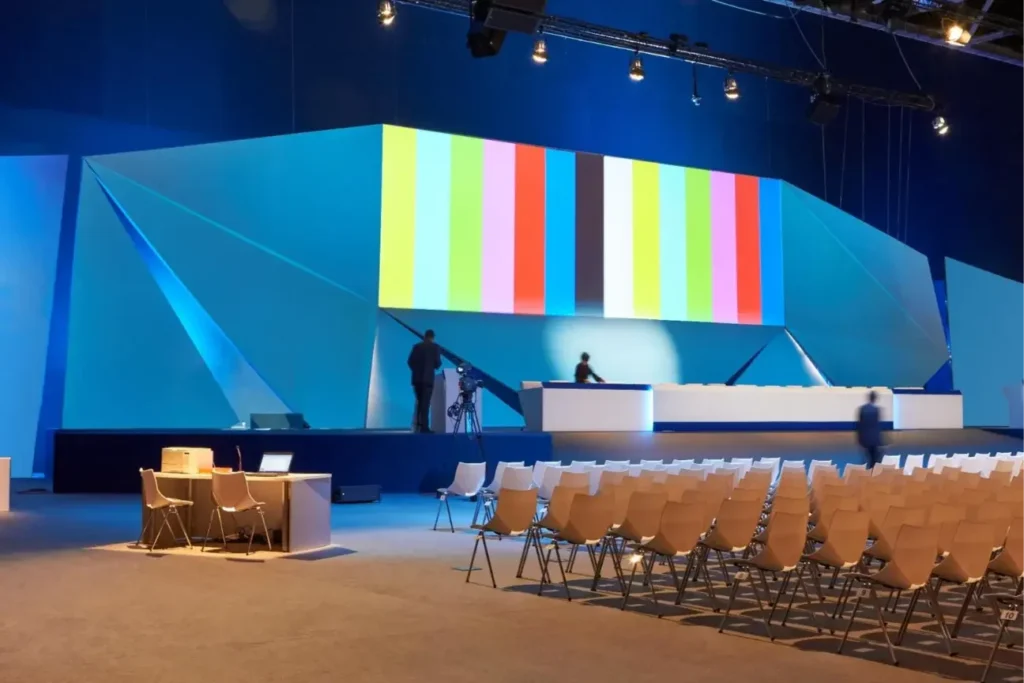
Ask most companies what made their last event successful, and the first answers are usually simple: The venue was full, the stage looked beautiful, the food was good, and guests enjoyed the evening. These things matter. However, they do not tell the full story. Today, companies are not only searching for an event planner in Bangalore who can manage décor, stage, sound, and logistics. Instead, they want a strategic partner who can connect event planning with business goals. More importantly, they expect events to be creative, smooth, engaging, and measurable. For modern businesses, especially in competitive cities like Bangalore, events must do more than look impressive. They must also deliver measurable value. For example, a product launch should create awareness and sales conversations. Similarly, a leadership summit should build clarity and alignment. In addition, a dealer meet should strengthen business relationships, while an annual day should boost employee morale. A conference, meanwhile, should generate networking, learning, visibility, and brand authority. As a result, measuring ROI for corporate events has become one of the most important parts of professional event planning. Zeal Integrated brings value in this area. As one of the experienced names in event management in Bangalore, Zeal Integrated focuses on planning corporate events with purpose, precision, and measurable outcomes. Every event should create an experience. At the same time, it should answer a practical question: What did this event achieve? Whether you are planning a conference, product launch, dealer meet, employee engagement program, exhibition, award night, or brand activation, ROI-focused planning helps your company make smarter decisions before, during, and after the event. What Is Corporate Event ROI Measurement? Corporate event ROI measurement means tracking the value your company receives from an event compared to the time, money, planning, and effort invested in it. ROI does not always mean direct profit. In corporate events, returns can take many forms. For instance, an event may generate leads, strengthen customer relationships, improve employee engagement, increase social media reach, earn media coverage, improve brand recall, build partner trust, or motivate internal teams. A product launch, for example, may measure ROI through demo requests, distributor interest, press mentions, influencer engagement, and customer inquiries. On the other hand, a leadership summit may measure ROI through employee feedback, action points, team alignment, and the quality of participation. Likewise, an exhibition may measure ROI through visitor counts, leads generated, meetings booked, and post-event conversions. The best corporate event organizers in Bangalore understand that every event needs a defined objective. Without a clear goal, it becomes difficult to measure success. If the purpose is unclear, the event may look good but fail to deliver long-term value. Important Questions Corporate Event ROI Measurement Answers Measuring ROI for corporate events helps companies answer important questions. Did the right audience attend? A successful event is not only about large attendance. Instead, it is about attracting the right people who matter to the business goal. How well did attendees engage with the brand? Engagement shows whether the audience understood, remembered, and interacted with the event message. Therefore, it is one of the strongest signs of event quality. Did the event support a business goal? Every corporate event should connect to a clear purpose. This purpose may include lead generation, employee engagement, brand awareness, customer education, or partner relationship building. Was useful data collected? Good data helps brands understand what worked. Moreover, it shows how they can improve future events. Did the event justify the budget? ROI measurement helps companies understand whether the money spent created enough value. Therefore, it gives decision-makers more confidence when planning future events. When these questions have clear answers, the event becomes more than a one-day gathering. It becomes a business asset. Why Event ROI Matters for Bangalore Companies Bangalore is one of India’s most active corporate hubs. The city is home to IT companies, startups, multinational brands, real estate groups, healthcare institutions, educational organizations, manufacturing companies, and fast-growing businesses. Because of this diversity, events in Bangalore range from small internal meetings to large corporate conferences, product launches, exhibitions, award nights, dealer meets, and public brand experiences. However, the city is also highly competitive. Companies cannot afford poorly planned events because every brand wants to create a strong impression. Therefore, businesses compare event companies in Bangalore carefully before choosing a partner. Many brands search online for the best event management companies in Bangalore. Still, the real question should not be only “Who can organize the event?” A better question is, “Who can help us achieve the event goal?” A company may spend a large amount on venue, production, branding, entertainment, hospitality, guest management, and technology. Without ROI measurement, it becomes difficult to know whether the investment worked. Benefits of ROI-Focused Event Planning ROI-focused planning helps Bangalore brands in several ways. It shows whether the event achieved its purpose First, brands can compare the original goal with the final outcome. This makes success easier to measure. It helps control event budgets better In addition, ROI-focused planning helps companies spend wisely rather than blindly. It improves guest experience Feedback and engagement data reveal what guests liked. At the same time, they show what needs improvement. It tracks lead generation and engagement Companies can also measure whether the event created business conversations, inquiries, or follow-ups. It strengthens future event planning Finally, each event becomes a learning opportunity for the next one. For companies working with professional event organizers in Bangalore, measuring ROI provides clarity. It shows what worked, what did not, and how future events can be stronger. Why Choosing the Right Event Partner Matters The event partner you choose can directly affect your event’s success. A good planner does not simply execute instructions. Instead, a good planner understands the objective, audience, budget, brand image, and expected outcome. This is especially important for corporate events. Unlike casual parties, corporate events involve business goals, leadership presence, brand reputation, client relationships, employee experience, and often large budgets. That is why many companies prefer working with corporate event management companies in

Let's Create Something Amazing

Tell us about your dream event and we'll make it extraordinary
Ready to create your perfect event?